



Saturday, June 20, 2026
spot_img
Home Blog Page 149

Melina Mangoele: ʺThe vision of Toastsmasters is to create a global connection of Leadersʺ

Melina Mangoele: ʺA visão da Toastsmasters é criar uma conexão global de Lideresʺ

With a degree in Business Management, Melina Mangoele joined the Maputo Toastmasters Club in 2019 with the aim of overcoming communication and leadership weaknesses that were affecting her professional progression. Since joining the organization, Melina has shown remarkable growth and dedication, taking on leadership roles. She currently holds the position of President of the MaputoToastmasters Club.
In conversation with Profile, Melina shares her perspectives on Toastmasters and the foundations that underpin the organization.

Profile Mozambique: As a starting point. What is Toastmasters and what is the organization’s main mission?
Melina Mangoele: Toastmasters is an international non-profit organization founded over 100 years ago. This year, we’re celebrating our centenary. The organization came about when the founder, Ralph C. Smedley, identified a lack of communication and leadership skills in the professionals in his community. Although employees knew what to do and how to do it, they lacked soft skills.
So a space or club was created, where professionals would have an environment to practice presentations and meetings. Therefore, Toastmasters emerged as an organization, based on three fundamental pillars: public speaking, leadership and networking, or a supportive environment. In this network, our mission is to provide members and the community in general with the development of communication and leadership skills through a supportive environment where it is possible to continuously improve and enhance.

PM: In a short conversation, just before we started, you were saying that you’ve been in Mozambique for 18 years. So, how was that transition from global to local?
MM: Toastmasters’ vision is to create a universal network of leaders and communicators. Based on this, there was a need to create the club in Mozambique. The reference came from the clubs in South Africa, where the first rehearsals took place through sporadic meetings. Some participants visited the clubs in South Africa, until the decision was made to actually open a place in Mozambique.
Although Portuguese is our official language, the first club, Maputo Toastmasters, adopted English as its language of expression. At the time, meetings were held at the Martin Luther King American Library. It should be noted that the choice of language depends very much on the objectives of the club.
The question may arise: why would a Portuguese-speaking country host a club that expresses itself in English? It sounds abstract, but it’s really a strategic question. The key point of Toastmasters is to train young people who need to face the job market, where proficiency in English is often required. Therefore, having a network to develop communication skills in English is an important strategic point for these young people.

PM: What are the main programs offered by Toastmasters for improving communication and leadership skills and how are these programs structured to ensure continuous development?
MM: To make it more accessible, Toastmasters works like a master’s degree course. From the moment someone becomes a member, they have access to the organization’s platform. When the member accesses the platform, they have the option of choosing between eleven different courses at random or they can take a test available on the platform to identify their specific inclinations.
The courses are self-taught, i.e. there are no teachers. Each member is their own master and teacher. By choosing one of the profiles or tracks, the member begins their educational progress, evolving through levels. Each level contains its own projects, each of which works on a specific skill or topic that allows the member to continually improve their skills.

Now, in relation to the second point I was asked about, to ensure that members receive the necessary guidance, we have a mentoring program within Toastmasters. When a new member joins, they are assigned to a mentor who has already reached at least the third level within the organization. This mentor guides the new member in using the platform, accessing courses and lessons, and preparing speeches. The mentor does not write the speeches for the member, but helps organize them and offers encouragement, especially in preparing and improving their performance. The mentor accompanies the member until they feel confident enough to proceed independently.
In addition to the individual mentor, there is the Vice President for Education (VPE), who is responsible for the educational progress of all members. The VPE receives reports on members’ progress and follows up on an ongoing basis. This combination of individual support and general supervision ensures that all members receive the help they need to develop their communication and leadership skills effectively and continuously.

PM: What are the requirements for becoming a Toastmasters member?
MM: To become a member of Toastmasters, you must be at least 18 years old. We have set this minimum age to avoid issues related to the exposure of minors. When someone hears about Toastmasters and shows interest, the next step is to attend two meetings, which are completely free of charge. This allows the guest to understand the concept, functioning, organization and practical execution of a Toastmasters session.
After these two meetings, the visitor must decide whether to become a member. If the decision is positive, the person is introduced to the Vice-President of Membrasia, who will provide the necessary forms and explain the applicable fees for membership. After completing the forms and paying the membership fee, the new member is registered with the global Toastmasters network.
From that moment on, the new member has full access to the clubs. As Toastmasters is a global entity, the member also has access to a wide network of international contacts, allowing for a learning and networking experience beyond national reach.

PM: We know that Toastmasters has around five clubs in Mozambique. How did the idea of creating the clubs come about and what are their main objectives?
MM: Mozambique is currently divided into two areas within Toastmasters: Area 74 and Area 129. To be more detailed, in terms of clubs, we have seven in total, divided between corporate and community clubs. There are four corporate clubs and three community clubs in the country.
The community clubs include Maputo Toastmasters, which is the mother of all the others, Clube Timbila and Clube da Beira. These clubs are the gateway for new members, offering a suitable environment for anyone wishing to develop communication and leadership skills.
In addition to the community clubs, we have corporate clubs that are exclusively for employees of specific companies. Companies that identify weaknesses in communication and leadership among their employees often collaborate with Toastmasters to solve these problems. We currently have corporate clubs for Vodacom, Standard Bank, Absa Bank and FNB.
We are also in the process of opening 3 more corporate clubs. These new clubs will help expand the network and further strengthen the communication and leadership skills of professionals in Mozambique.

PM: This year, Mozambique Toastmasters Week 2024 was organized under the slogan “The Africa We Want”. What were the main foundations and impact of this event?
MM: For the creation of Toastmasters in Mozambique, we adopted the motto “The Africa We Want”. I had the honor of being the Logistics Director, responsible for all the logistical arrangements, contact with national and international guests. I was involved in every stage of the process, from planning to execution.
Our motto “The Africa We Want” reflects our belief that the future of Africa is in the hands of young people. We want to be active participants in shaping the leaders of tomorrow. The idea is to encourage Mozambican society to reflect on the kind of society we want, so that we can participate in this constructive process.
To illustrate this, we brought in various speakers from different areas, such as Dama do Bling on music, Carlos Serra on the environment, Boardina Muala on communication, Jeckcy on entrepreneurship and Glayds Gande on female empowerment, among other guests. These events were opportunities for young people to think about where we are and where we want to go, drawing young people’s attention to being part of the solution we want to see in society.

Furthermore, we believe that an effective leader must be able to communicate persuasively, lead diverse teams and have a solid network of contacts.These skills are crucial for moving and inspiring people, as well as for taking their ideas forward.
In terms of impact, we clearly look at membership, since we opened our doors we have seen a growing interest in the community.Our meetings have been getting fuller and there is a palpable enthusiasm from people to find out more about our organization and join us.The impact of our mission is evident, as we have been able to attract more and more members who want to develop their skills and contribute to Mozambican society.And finally, the event has increased our visibility at international Toastmasters level. As I mentioned earlier, we were named the best area and this distinction was partly due to the power of this event.

PM: What are the main challenges facing an organization the size of Toastmasters in Mozambique?
MM: One of the challenges we currently face is the concentration of our clubs in the city of Maputo, we have one in Beira. Mozambique is a vast country and not just the capital.We find it difficult to open clubs outside Maputo and ensure that these clubs offer the same quality and attractiveness that we have in the capital.
Another challenge is to increase interaction with companies. We constantly work to show companies the importance of their employees training in communication and leadership skills. Our job is to make it clear that developing these skills will bring gains not only personally, but also for the company. However, there is still a certain reluctance and lack of understanding on the part of some institutions to embrace this program.
In addition, we have great difficulty accessing public institutions. When we approach these institutions, we often hear that there is a lack of budget and that they rarely contemplate issues of developing communication and leadership skills. Currently, we are not working with any public institutions. These are some of the challenges, but we are continuing our efforts to expand and improve the spread of Toastmasters throughout the country.

PM: What are Toastmasters’ next steps in Mozambique?
MM: Toastmasters’ next steps in Mozambique include a series of strategic initiatives aimed at expanding the organization’s presence and impact throughout the country. Firstly, Toastmasters is focused on expanding its network of clubs.
This effort includes opening new community and corporate clubs, with the aim of establishing ourselves throughout the country.In addition, Toastmasters intends to establish partnerships with universities to create channels that allow students to start developing their communication skills right from college. This approach aims to address communication limitations early on, preparing students for future challenges in the job market and in their professional lives.

Petrolíferas obrigadas a divulgar informações de salários e contratações

Petrolíferas obrigadas a divulgar informações de salários e contratações

O Ministério dos Recursos Minerais e Energia (MIREME), através do diploma ministerial 55/2024, determinou que as concessionárias petrolíferas são agora obrigadas a fornecer informações detalhadas sobre salários e processos de contratação ao Governo. Este diploma, aprovado a 5 de Julho e que entrou em vigor no mesmo dia, estabelece novas exigências para a transparência na gestão de recursos e processos administrativos no sector petrolífero.

De acordo com a Lusa, o novo regulamento aplica-se principalmente às concessionárias estrangeiras que operam no sector de petróleo e gás natural em Moçambique, detentor das terceiras maiores reservas de gás natural em África, estimadas em 180 mil milhões de pés cúbicos. “O objectivo principal é garantir que os cidadãos tenham acesso a oportunidades de emprego, promover a capacitação de trabalhadores e empresas por meio da cooperação nacional e internacional e assegurar a participação de fornecedores locais na contratação de bens e serviços”, refere o documento.

Segundo o diploma, as concessionárias deverão submeter ao Instituto Nacional de Petróleo (INP) documentos que comprovem a quantidade e lista de empregados, especificando dados como proveniência, género e a inclusão de pessoas com deficiência. Além disso, deverão apresentar a tabela salarial e os respectivos subsídios. No que diz respeito à contratação de bens e serviços, as empresas terão de fornecer informações sobre a nacionalidade das empresas contratadas, assegurar o cumprimento do direito de preferência e apresentar documentos comprovativos dos editais dos concursos públicos e das ofertas de todos os fornecedores participantes.

O diploma estipula que as concessionárias devem garantir que pelo menos 25% dos trabalhadores em posições superiores e 85% nas posições técnicas sejam nacionais. Caso não haja mão-de-obra qualificada disponível no País, será permitido contratar trabalhadores estrangeiros, desde que a empresa demonstre a impossibilidade de recrutar trabalhadores locais.

De acordo com a Lusa, o diploma também exige que as concessionárias concedam bolsas de formação, que devem incluir pelo menos 1200 horas de formação técnico-profissional e 600 horas de formação profissional, além de oportunidades no ensino superior. Durante os períodos de pesquisa e desenvolvimento e produção, as empresas devem assegurar a concessão de bolsas de formação em instituições de ensino em Moçambique e no estrangeiro, com o objectivo de formar moçambicanos em várias áreas, incluindo cursos superiores, técnico-profissionais e formação profissional.

Esta medida visa não só aumentar a transparência no sector petrolífero, mas também garantir que os benefícios da exploração de recursos naturais contribuam para o desenvolvimento económico e social do País, promovendo a inclusão e capacitação dos trabalhadores moçambicanos.

Oil companies obliged to disclose salary and hiring information

Petrolíferas obrigadas a divulgar informações de salários e contratações

The Ministry of Mineral Resources and Energy (MIREME), through ministerial decree 55/2024, has determined that oil concessionaires are now obliged to provide detailed information on salaries and hiring processes to the government. This diploma, approved on July 5 and which came into force on the same day, establishes new requirements for transparency in the management of resources and administrative processes in the oil sector.

According to Lusa, the new regulation applies mainly to foreign concessionaires operating in the oil and natural gas sector in Mozambique, which has the third largest natural gas reserves in Africa, estimated at 180 billion cubic feet. “The main objective is to ensure that citizens have access to employment opportunities, to promote the training of workers and companies through national and international cooperation and to ensure the participation of local suppliers in the contracting of goods and services,” the document states.

According to the law, concessionaires must submit documents to the National Petroleum Institute (INP) proving the number and list of employees, specifying data such as origin, gender and the inclusion of people with disabilities. They must also submit the salary scale and the respective allowances. With regard to the contracting of goods and services, companies will have to provide information on the nationality of the companies contracted, ensure compliance with the right of first refusal and submit documents proving the calls for tenders and offers from all participating suppliers.

The law stipulates that concessionaires must ensure that at least 25% of workers in senior positions and 85% in technical positions are nationals. If there is no qualified workforce available in the country, they will be allowed to hire foreign workers, as long as the company demonstrates that it is impossible to recruit local workers.

According to Lusa, the law also requires concessionaires to grant training scholarships, which must include at least 1,200 hours of technical-vocational training and 600 hours of professional training, as well as opportunities in higher education. During periods of research and development and production, the companies must ensure that training scholarships are awarded at educational institutions in Mozambique and abroad, with the aim of training Mozambicans in various areas, including higher education, technical-vocational courses and vocational training.

This measure aims not only to increase transparency in the oil sector, but also to ensure that the benefits of exploiting natural resources contribute to the country’s economic and social development, promoting the inclusion and training of Mozambican workers.

Fórum de Investimento Árabe-Moçambique: Nyusi destaca áreas prioritárias para investimentos

Fórum de investimento Árabe-Moçambique: Nyusi destaca áreas prioritárias para investimento

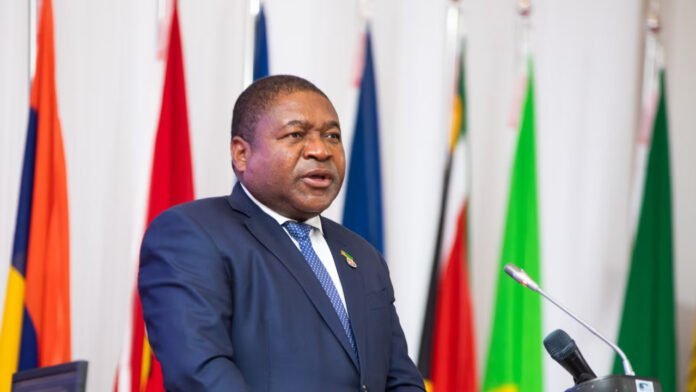
Na quarta-feira, 24 de julho, o Presidente da República, Filipe Nyusi, convidou os empresários árabes a continuarem a investir em Moçambique durante o Fórum de Investimento Árabe-Moçambique. O evento teve início hoje e termina na quinta-feira, 25 de julho.

No seu discurso de abertura, Nyusi destacou cinco áreas prioritárias para o investimento, oferecendo várias oportunidades para os empresários árabes.

O Presidente enfatizou a importância dos complexos aeroportuários, tirando partido da situação geoestratégica de Moçambique. Mencionou oportunidades noutros portos, incluindo a recente iniciativa conjunta do Botswana, Moçambique e Zimbabué para a construção do porto Techobanini, que irá satisfazer as necessidades destes países. Nyusi também sublinhou a importância das estradas com portagem nas parcerias público-privadas, destacando a Estrada Nacional Número 1 (N1), que liga todo o país com ramificações para a costa e países do interior. “Acreditamos que há necessidade de começar a pensar numa estrada alternativa que possa facilitar a circulação e aproximar algumas zonas de produção”, disse.

Nyusi destacou a construção da barragem de Mphanda Nkuwa, que é crucial para a produção de energia limpa para o mercado da África Austral. O projeto está em fase de estruturação comercial para viabilização, incluindo a mobilização financeira. Referiu ainda os campos de hidrocarbonetos ainda em fase de pesquisa e o potencial de investimento em energias renováveis, nomeadamente solar, e em recursos minerais estratégicos para a produção de baterias eléctricas.

O fórum, que junta empresários árabes e moçambicanos, prossegue até amanhã, explorando oportunidades de investimento em várias outras áreas, procurando reforçar as relações económicas e promover o desenvolvimento sustentável em Moçambique.

Empresa Chinesa Haiyu Mining destina 4,6 milhões de meticais para cooperativa em Angoche

Empresa Chinesa Haiyu Mining destina 4,6 milhões de meticais para cooperativa em Angoche

A empresa chinesa Haiyu Mozambique Mining aplicou 4,6 milhões de meticais em responsabilidade social na província de Nampula, concretamente no distrito de Angoche.

Segundo informações divulgadas pela Integrity-Moçambique esta Terça-feira (24), o valor será destinado à construção e apetrechamento de uma cooperativa que beneficiará as localidades de Cerema e Sangane, em Angoche.

Este investimento insere-se nas iniciativas de responsabilidade social da Haiyu Mining e inclui a alocação de equipamentos de conservação de pescado, como congeladores, balanças, redes de pesca e insumos agrícolas.

Durante a cerimónia de entrega do valor, o administrador de Angoche, Wiliamo Tuzine, encorajou a Haiyu Mining a continuar com acções de responsabilidade social e instou os beneficiários a fazerem uso racional dos equipamentos para valorizar o investimento.

“Queremos aproveitar a oportunidade para instar a empresa Haiyu Mining, bem como outras empresas, a continuarem a investir no desenvolvimento de Angoche. Além disso, os beneficiários deste investimento devem fazer valer a pena, utilizando os equipamentos de forma racional”, afirmou Tuzine.

Em conclusão, o presidente do Conselho Autárquico de Angoche, Dalila Ussene, desafiou a Haiyu Mining a ser cada vez mais transparente e inclusiva em suas acções.

Chinese company Haiyu Mining earmarks 4.6 million meticais for cooperative in Angoche

Empresa Chinesa Haiyu Mining destina 4,6 milhões de meticais para cooperativa em Angoche

The Chinese company Haiyu Mozambique Mining has invested 4.6 million meticais in social responsibility in the province of Nampula, specifically in the district of Angoche.

According to information released by Integrity-Mozambique this Tuesday (24), the money will go towards building and equipping a cooperative that will benefit the towns of Cerema and Sangane, in Angoche.

This investment is part of Haiyu Mining’s social responsibility initiatives and includes the allocation of fish preservation equipment, such as freezers, scales, fishing nets and agricultural inputs.

During the handover ceremony, the Angoche administrator, Wiliamo Tuzine, encouraged Haiyu Mining to continue with its social responsibility initiatives and urged the beneficiaries to make rational use of the equipment in order to make the most of the investment.

“We want to take this opportunity to urge Haiyu Mining, as well as other companies, to continue investing in the development of Angoche. Furthermore, the beneficiaries of this investment must make it worthwhile by using the equipment rationally,” said Tuzine. In conclusion, the president of the Angoche Municipal Council, Dalila Ussene, challenged Haiyu Mining to be increasingly transparent and inclusive in its actions.

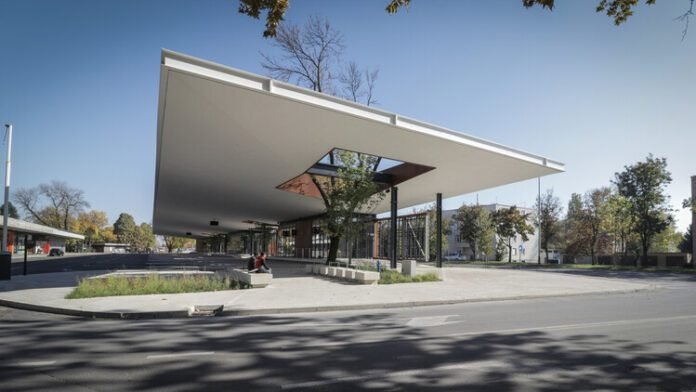
Província de Maputo pretende construir um novo terminal rodoviário com investimento de 17,5 milhões de dólares

terminal rodoviário

A construção do novo Terminal Rodoviário da província de Maputo exigirá um investimento de mil milhões de meticais (17,5 milhões de dólares), conforme anunciado pelo Governo provincial. O projecto, que ocupará uma área de 20 hectares compartilhados entre os distritos da Moamba e Matola, na zona de Ngohloza, tem como objectivo melhorar a mobilidade de pessoas e bens na região.

Em declaração à Rádio Moçambique (RM), Ludgero Gemo, porta-voz do Governo provincial, afirmou que “já há parceiros interessados em apoiar o projecto, que será desenvolvido com uma abordagem futurista, alinhando-se às tendências modernas”. A nova infra-estrutura visa atender às necessidades crescentes de transporte na província e promover um desenvolvimento mais eficiente e integrado da região.

Actualmente, o Governo provincial dispõe de apenas 1,7 milhões de meticais (26,8 milhões de dólares) dos mil milhões de meticais (17,5 milhões de dólares) necessários para a realização da obra. A falta de recursos ainda representa um desafio significativo para o avanço do projecto, mas a procura por parcerias e investimentos está em andamento para assegurar a conclusão bem-sucedida da construção.

A iniciativa está prevista para transformar a infra-estrutura rodoviária da província, proporcionando melhores condições para o transporte e contribuindo para o crescimento económico da região.

Maputo province plans to build a new bus terminal with an investment of 17.5 million dollars

terminal rodoviário

The construction of the new Maputo province Bus Terminal will require an investment of one billion meticais (17.5 million dollars), as announced by the provincial government. The project, which will occupy an area of 20 hectares shared between the districts of Moamba and Matola, in the Ngohloza area, aims to improve the mobility of people and goods in the region.

Speaking to Rádio Moçambique (RM), Ludgero Gemo, spokesman for the provincial government, said that “there are already partners interested in supporting the project, which will be developed with a futuristic approach, in line with modern trends”. The new infrastructure aims to meet the province’s growing transportation needs and promote more efficient and integrated development in the region.

Currently, the provincial government has only 1.7 million meticais (26.8 million dollars) of the 1 billion meticais (17.5 million dollars) needed to carry out the work. The lack of resources still represents a significant challenge to the progress of the project, but the search for partnerships and investments is underway to ensure the successful completion of construction.

The initiative is set to transform the province’s road infrastructure, providing better conditions for transportation and contributing to the region’s economic growth.

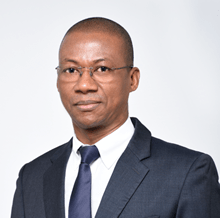
Joaquim Henriques Ou-chim assume a liderança da EDM

Joaquim Henriques Ou-chim assume a liderança da EDM

O Governo de Moçambique anunciou, na Terça-feira, 23 de Julho, a exoneração de Marcelino Gildo Alberto do cargo de presidente do Conselho de Administração da Electricidade de Moçambique (EDM). Joaquim Henriques Ou-chim, actual administrador executivo para a área de electrificação, foi nomeado para substituir Alberto na liderança da estatal.

A decisão foi tomada durante uma reunião ordinária do Conselho de Ministros, conforme comunicado divulgado esta manhã. O comunicado informou apenas sobre a exoneração de Marcelino Gildo Alberto e a nomeação de Joaquim Henriques Ou-chim para o cargo.

Em Maio, a agência Lusa noticiou que a EDM registou lucros em 2023, pelo terceiro ano consecutivo, embora estes tenham caído 7,5% em relação a 2022, totalizando 4,8 bilhões de meticais (76,4 milhões de dólares). O relatório e contas da EDM revela que o volume de negócios da empresa cresceu 14% em 2023, alcançando 53,1 bilhões de meticais (843,8 milhões de dólares). Além disso, o nível de perdas, principalmente devido ao roubo de energia, diminuiu dois pontos percentuais, para 26% da produção total.

A EDM destacou que a redução nas perdas foi a mais significativa dos últimos quatro anos e teve um impacto positivo no aumento da receita da empresa. “Esta redução teve um peso no aumento da receita da empresa e responde ao desafio estabelecido pelo Governo de melhoria de excelência operacional,” afirma o comunicado da EDM.

Apesar do crescimento nas receitas, os lucros da estatal eléctrica, que mais do que dobraram em 2022 para 5,2 bilhões de meticais (82,7 milhões de dólares), apresentaram uma queda em 2023. Marcelino Gildo Alberto, então presidente do conselho de administração da EDM, reconheceu que os resultados do ano passado refletem os desafios enfrentados pela empresa em um contexto volátil e incerto, afectado por indicadores macroeconómicos e mudanças climáticas.

O presidente cessante também observou que a EDM continua a enfrentar prejuízos devido à vandalização de infra-estruturas eléctricas e ao roubo de energia. “Estes actos atrasam o cumprimento das nossas metas, especialmente o acesso universal à energia até 2030. Reiteramos o apelo à vigilância comunitária e à denúncia destas práticas ilícitas,” advertiu Alberto. Ele também enfatizou que a EDM manterá uma postura rigorosa contra quaisquer actos de corrupção e envolvimento de trabalhadores em práticas ilícitas.

Joaquim Henriques Ou-chim takes the lead at EDM

Joaquim Henriques Ou-chim assume a liderança da EDM

On Tuesday, July 23, the Mozambican government announced the resignation of Marcelino Gildo Alberto as chairman of the board of directors of Electricidade de Moçambique (EDM). Joaquim Henriques Ou-chim, the current executive director for electrification, was appointed to replace Alberto as head of the state-owned company.

The decision was taken during an ordinary meeting of the Council of Ministers, according to a statement released this morning. The communiqué only reported on the resignation of Marcelino Gildo Alberto and the appointment of Joaquim Henriques Ou-chim to the post.

In May, the Lusa news agency reported that EDM recorded profits in 2023, for the third consecutive year, although these fell by 7.5% compared to 2022, totaling 4.8 billion meticais (76.4 million dollars). EDM’s annual report reveals that the company’s turnover grew by 14% in 2023, reaching 53.1 billion meticais (843.8 million dollars). In addition, the level of losses, mainly due to energy theft, fell by two percentage points to 26% of total production.

EDM pointed out that the reduction in losses was the most significant in the last four years and had a positive impact on the increase in the company’s revenue. “This reduction has had an impact on the increase in the company’s revenue and responds to the challenge set by the government to improve operational excellence,” said EDM’s statement.

Despite the growth in revenues, the state-owned electricity company’s profits, which more than doubled in 2022 to 5.2 billion meticais (82.7 million dollars), fell in 2023. Marcelino Gildo Alberto, then chairman of EDM’s board of directors, acknowledged that last year’s results reflect the challenges faced by the company in a volatile and uncertain context, affected by macroeconomic indicators and climate change.

The outgoing chairman also noted that EDM continues to face losses due to the vandalization of electrical infrastructure and energy theft. “These acts delay the fulfillment of our goals, especially universal access to energy by 2030. We reiterate our call for community vigilance and the denunciation of these illicit practices,” warned Alberto. He also emphasized that EDM will maintain a strict stance against any acts of corruption and involvement of workers in illicit practices.