



Wednesday, September 30, 2026
spot_img
Home Blog Page 194

Marco Abalroado: “We have made available a credit line worth $50 million to boost Local Content”

Profile spoke to Marco Abalroado, Managing Director of Acess Bank, on the sidelines of the signing of a memorandum between Acess Bank and the Local Content Association of Mozambique (ACLM), which aims to combine efforts and synergies to facilitate access to financing for SMEs in the value chains of megaproject opportunities in the energy sector and the oil & gas extraction industry to empower local content and promote sustainable economic growth in the country through financial training for the business community, with a special focus on the regions of Cabo Delgado and Inhambane.

Profile Mozambique: How does the signing of the memorandum of understanding between the Local Content Association of Mozambique (ACLM) and Access Bank, which aims to provide a line of financing for Small and Medium-sized Enterprises (SMEs) in the field of local content in Mozambique, materialize in practice?

Marco Abalroado: Obviously the first step is to provide the necessary conditions for companies to have access to credit, so that they can grow and respond to many of the projects we have today. So the first step was this, to have a formal agreement to not only empower companies from the point of view of financial inclusion, but also to understand how the financial market works, and what is needed to have access to credit, to have access to deposits, and based on this to create the foundations to start empowering our companies, particularly small and medium-sized ones, to be prepared to respond to the most varied projects, in this case, specific ones.

PM: It should be noted that we are obviously very focused on Cabo Delgado and Pemba, on the Oil & Gas megaprojects, but the aim is to create the capacity for small and medium-sized companies to be able to respond to the market. And how do we do that?

MA: As has been mentioned, often there isn’t the capital needed to give SMEs a boost and energize their activities and what we’re trying to do is create products and services that are tailored to these companies, and that we can create easier access to credit and empower the companies themselves at the same time.

PM: In financial terms, what is the total amount of credit that will be made available to companies through the agreement?

MA: We have a package for small and medium-sized enterprises, which as a whole is around 50 million dollars. Of course, we’d like to lend 50 million dollars all at once, but that’s not possible.

This package will be used under tripartite agreements, in which we have the large companies also taking responsibility for the risk of the small and medium-sized ones, but we believe that as soon as we manage to create awareness of the importance of companies formalizing themselves, the importance of having organized accounts and having the minimum necessary to respond to these projects, that the line will start to be used in a very strong way.

PM: Given the terrorism situation affecting Cabo Delgado Province, how will the local population be able to identify with and access the benefits offered by this program?

MA: Let’s see, it’s not just Access Bank, it’s all the financial institutions. I think it’s our responsibility, as financial institutions, to try to create as much support as possible for the population to solve their day-to-day problems, whether they are small and medium-sized, large or private. The banks’ responsibility also goes beyond just the financial part of the response we have to give.

So what we have to do, of course, is figure out what products are needed, what the real needs of the population are and then create products and services that allow us to do that. Yes, we are starting from a difficult situation, so the starting point is often much lower than in other provinces we have in the country and we have to be aware of that. We have to realize that there is a growth curve, and we have to create products that allow small and medium-sized companies, but also individuals, to participate in this life cycle that both individuals and companies will have in the near future.

And I think that we’re not in a very easy situation, it’s been more difficult, and I think that the government has done a lot to stabilize, and we’re increasingly in stable areas in Cabo Delgado province, but I also believe that by boosting the economy we’re going to create additional stability.

The two things are often, it seems, not linked, but they are often linked.

PM: Considering the tax burdens that often stifle SMEs, what are the requirements and regulations that will be implemented to allow SMEs to enter this line of credit?

MA: In fact, the barriers to entry aren’t really tax burdens. It’s formalization. For example, if I have a company that doesn’t have organized accounts, that isn’t registered, when I approach a bank and ask for credit, I don’t have the necessary basis to understand how much I can lend and whether or not the company has the capacity to repay.

Because often, without financial literacy, people themselves don’t understand how much they can pay each month and how much they can borrow. The work here is done on two levels. One from a financial literacy perspective.

The second is that it’s important for people to understand how a loan works, what their monthly payment will be, what they can afford on the basis of what they receive.

And then there’s a slight variation, as I tried to explain briefly, in relation to most banking products. Bank products usually require a guarantee.

These products that we have specifically designed, there is no real guarantee attached. So what we do is analyze the cash flow, the inflows and outflows of money in clients’ accounts.

Once again, this formalization is fundamental. The money has to at least pass through the financial system and into the accounts so that we can understand exactly how much these companies spend.

And from there, obviously depending on the amounts to be lent, we define how much we can lend to each of these companies.

MP: With regard to the amounts available, what is the estimate of the maximum amount that each company will be able to access through this credit package?

MA: It depends on formalization and whether there are guarantees.

We start with what can be called almost microcredit and then up to the amounts needed. The only thing that obviously varies within this product is the need for guarantees or associated real guarantees, for lower amounts they are not necessary, but obviously as we evolve, we go from 500,000 meticais to 2 million, to 10 million, to 20 million, obviously this level of guarantees is necessary.

Another part that is also important to mention is the importance of the value chain. We have pre-approved products within the Oil & Gas value chain, where we already know how the cycle works. As you know, we’re the largest bank in Africa’s largest economy, which has very strong expertise in Oil & Gas, it’s a sector we’ve mastered a lot and we’re going to take advantage of this and the knowledge we have to leverage our companies, as we’ve done in other countries.

PM: How many SMEs are expected to be covered and when will this package be available for SMEs to take advantage of?

MA: I hope that as many SMEs as possible, and if it’s not exactly on our side, it’s on the side of the SMEs and it’s also on the side of us as a society to pass on this knowledge and what is needed.

We’re not going to be able to have 50,000 or 100,000 trained SMEs, but if we look, and I was listening to the figure of 42,000, I believe it’s not 42,000, we probably have around 700,000, 800,000 small and medium-sized or micro small and medium-sized ones.

But if you look, they are indeed small and medium-sized enterprises, many have one employee, two employees, three employees, so it’s a question of formalization. We don’t have a specific target for the number, we have a target for the maximum possible.

I would be happy if over the next two years we managed to reach 10,000, 20,000 SMEs, which I think would have done the country a great service, and I say this not just on behalf of Access, but on behalf of the entire financial system. I think it’s essential for the financial system to start looking at SMEs as the strength and driving force behind our country’s development, because that’s what really happens. If we manage to have a strong small and medium-sized enterprise sector, we’re guaranteed a strong economy.

Follow our speaker’s career path on his LinkedIN page: Marco Abalroado

Brief Profile

Experienced country manager with a proven track record of working in the banking sector. Skills in business processes, negotiation, business planning, analytical skills and IT strategy. Strong business development professional.
 

XIX da CASP: Quais empresas se destacam em qualidade na prestação dos seus serviços?

Brands

Durante a recente XIX Conferência Anual do Sector Privado, seis empresas nacionais foram reconhecidas por sua excelência na qualidade de produtos e serviços, destacando-se como líderes em seus respectivos campos de actuação.

O prémio Empresa do Ano foi concedido à Brithol Michcoma Moçambique, uma renomada empresa nacional que se destaca na prestação de serviços de tecnologia de impressão, packaging, desenvolvimento de soluções de segurança electrónica e comunicações, com mais de 31 anos de experiência no mercado.

Na mesma categoria, a CBE também foi reconhecida pelos seus anos de dedicação ao desenvolvimento de actividades de recrutamento e selecção de mão-de-obra qualificada, atendendo às diversas necessidades empresariais, desde pequenas empresas até megaprojectos.

Para a categoria Serviço do Ano, o prémio foi concedido à Test Top, uma grande firma privada moçambicana especializada na concepção, fornecimento, instalação e manutenção de sistemas eléctricos. Enquanto isso, a TECNEL, uma média empresa com mais de 24 anos de experiência, foi igualmente reconhecida nesta categoria, destacando-se por seu trabalho no ramo de Energia.

No segmento Produto do Ano, o CEDSIF, única entidade pública premiada, foi reconhecido por seus serviços de modernização de processos e sistemas de informação, bem como de gestão de finanças públicas, entre outras actividades. A empresa BAHARAM também foi premiada nesta categoria, em reconhecimento à qualidade de seus produtos.

A CTA teve seu destaque na premiação pela Certificação e Qualidade dos Serviços Prestados e Produtos Exportados, evidenciando seu compromisso com os padrões de excelência.

XIX da CASP: Which companies stand out in terms of the quality of their services?

Brands

During the recent 19th Annual Private Sector Conference, six national companies were recognized for their excellence in the quality of their products and services, standing out as leaders in their respective fields.

The Company of the Year award went to Brithol Michcoma Moçambique, a renowned national company that excels in providing services in printing technology, packaging, the development of electronic security and communications solutions, with over 31 years’ experience in the market.

In the same category, CBE was also recognized for its years of dedication to developing recruitment and selection activities for qualified manpower, meeting the diverse needs of businesses, from small companies to mega-projects.

For the Service of the Year category, the award went to Test Top, a large private Mozambican firm specializing in the design, supply, installation and maintenance of electrical systems. Meanwhile, TECNEL, a medium-sized company with over 24 years’ experience, was also recognized in this category, standing out for its work in the Energy sector.

In the Product of the Year segment, CEDSIF, the only public entity to receive an award, was recognized for its services in modernizing processes and information systems, as well as public finance management, among other activities. BAHARAM was also awarded in this category, in recognition of the quality of its products.

CTA stood out in the awards for the Certification and Quality of Services Provided and Products Exported, demonstrating its commitment to standards of excellence.

Moçambique busca parcerias privadas para expansão da rede energética

Rede electrica

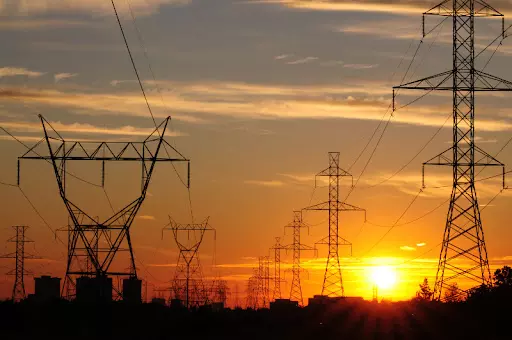
O Fundo Nacional de Energia (FUNAE) enfatizou a necessidade de maior participação do sector privado na expansão da oferta energética por meio de pequenas redes, que actualmente representam 7% da rede eléctrica do país.

“O quadro regulatório foi ajustado para permitir que o sector privado apoie esse processo de expansão da rede por meio das mini-redes”, declarou Isália Munguambe, presidente do FUNAE, à Lusa, durante a reunião do Conselho Coordenador do Ministério dos Recursos Minerais e Energia, no distrito do Mossuril, na província de Nampula.

Moçambique possui uma cobertura de rede de energia de 54%, dos quais 7% são representados por pequenas redes autónomas, que funcionam principalmente com energia renovável e são uma alternativa em áreas rurais não alcançadas pela rede nacional.

Para fortalecer a capacidade desses sistemas alternativos à rede nacional, o FUNAE elaborou o Plano de Electrificação Fora da Rede, que abrirá em breve concursos para a entrada de financiamento do sector privado.

“O plano visa promover o investimento do sector privado nesse tipo de rede. A participação dos parceiros nesses projectos ajuda a reduzir a necessidade de investimento por parte do Estado”, enfatizou.

Segundo dados oficiais, o país, que visa alcançar o acesso universal à energia até 2030, possui um total de 97 pequenas redes espalhadas principalmente em áreas rurais, complementando a rede eléctrica nacional.

Sob o lema “Por uma transformação e uso local dos recursos minerais e energéticos para o desenvolvimento sustentável”, o encontro do conselho coordenador em Nampula encerrou após dois dias de reuniões entre vários quadros do Ministério dos Recursos Minerais e Energia e presidentes de diversas empresas públicas.

Mozambique seeks private partnerships to expand energy network

Rede electrica

The National Energy Fund (FUNAE) has emphasized the need for greater private sector participation in the expansion of energy supply through small grids, which currently account for 7% of the country’s electricity grid.

“The regulatory framework has been adjusted to allow the private sector to support this process of expanding the grid through mini-grids,” Isália Munguambe, president of FUNAE, told Lusa during a meeting of the Coordinating Council of the Ministry of Mineral Resources and Energy, in the Mossuril district of Nampula province.

Mozambique has a power grid coverage of 54%, of which 7% is represented by small autonomous grids, which run mainly on renewable energy and are an alternative in rural areas not reached by the national grid.

To strengthen the capacity of these alternative systems to the national grid, FUNAE has drawn up the Off-Grid Electrification Plan, which will soon open calls for private sector funding.

“The plan aims to promote private sector investment in this type of network. The participation of partners in these projects helps to reduce the need for state investment,” he emphasized.

According to official figures, the country, which aims to achieve universal access to energy by 2030, has a total of 97 small networks spread mainly in rural areas, complementing the national electricity grid.

JSW Steel Investe cerca de 74 milhões de dólares para aquisição de mina de carvão em Moçambique

Mineracao

A JSW Steel, gigante indiana do sector siderúrgico, anunciou a aprovação pelo seu conselho de administração da aquisição da mineradora Minas de Revuboe (MDR), localizada em Moçambique. O objetivo da compra é garantir o fornecimento contínuo de carvão de alta qualidade, essencial para a produção de aço, conforme divulgado pelo portal de notícias internacionais Sarkaritel.

Segundo informações provenientes de uma apresentação aos investidores, a JSW Steel, liderada por Sajjan Jindal, revelou que sua subsidiária, JSW Natural Resources Limited, adquirirá uma participação de 92,19% e os empréstimos dos accionistas da MDR por um valor total de 4,6 mil milhões de meticais (73,75 milhões de dólares).

Essa transacção dará à empresa indiana acesso a mais de 800 toneladas métricas de reservas premium de carvão em Moçambique. A MDR detém um projecto de mina de carvão coque duro de alta qualidade, em grande escala e em fase de pré-desenvolvimento, localizado na Bacia de Moatize, na província de Tete.

A conclusão do negócio está sujeita à aprovação do Ministério dos Recursos Minerais e Energia e outras aprovações necessárias.

As empresas siderúrgicas indianas consomem cerca de 70 milhões de toneladas métricas de carvão coque anualmente, com aproximadamente 85% dessa demanda sendo suprida por importações devido à escassez da commodity no país. O carvão é principalmente importado da Austrália, Indonésia, Rússia, EUA e Canadá.

Nos últimos meses, os preços do carvão metalúrgico têm aumentado, impactando negativamente os resultados financeiros das empresas siderúrgicas.

Este movimento estratégico da JSW Steel visa garantir uma fonte estável e de alta qualidade de carvão coqueificável, essencial para manter a competitividade no mercado global de aço.

JSW Steel invests around 74 million dollars to acquire coal mine in Mozambique

Mineracao

JSW Steel, the Indian steel giant, has announced that its board of directors has approved the acquisition of Minas de Revuboe (MDR), a mining company located in Mozambique. The aim of the purchase is to guarantee a continuous supply of high-quality coal, which is essential for steel production, as reported by the international news portal Sarkaritel.

According to information from a presentation to investors, JSW Steel, led by Sajjan Jindal, revealed that its subsidiary, JSW Natural Resources Limited, will acquire a 92.19% stake and MDR’s shareholder loans for a total value of 4.6 billion meticais (73.75 million dollars).

This transaction will give the Indian company access to more than 800 metric tons of premium coal reserves in Mozambique. MDR owns a large-scale, high quality hard coking coal mine project in the pre-development phase, located in the Moatize Basin in Tete province.

The conclusion of the deal is subject to approval by the Ministry of Mineral Resources and Energy and other necessary approvals.

Indian steel companies consume around 70 million metric tons of coking coal annually, with approximately 85% of this demand being met by imports due to the shortage of the commodity in the country. Coal is mainly imported from Australia, Indonesia, Russia, the USA and Canada.

In recent months, metallurgical coal prices have increased, negatively impacting the financial results of steel companies.

This strategic move by JSW Steel aims to guarantee a stable, high-quality source of coking coal, which is essential for maintaining competitiveness in the global steel market.

Moçambique registou um crescimento de 14% na produção de energia

Energia solar

A produção de electricidade através de parques solares em Moçambique teve um significativo aumento de 14% no primeiro trimestre do ano, conforme revelado pelo último relatório de execução orçamental divulgado pela Lusa nesta segunda-feira (20).

De acordo com os dados apresentados pelo Ministério da Economia e Finanças, o país testemunhou um crescimento notável na produção de energia solar, com seis grandes parques solares e outras centrais de menor porte contribuindo para a obtenção de 19.688 MegaWatts-hora (MWh). Este número representa um aumento em relação aos 17.328 MWh registados no mesmo período do ano anterior.

O relatório ressalta que Moçambique está empenhado em expandir sua capacidade de energia renovável, com investimentos previstos na casa dos 80 mil milhões de dólares até 2050, conforme estabelecido na nova Estratégia de Transição Energética.

Para alcançar esses objectivos ambiciosos, o país planeia desenvolver, até 2030, “pelo menos” 1000 MW de nova capacidade solar em várias regiões, incluindo Dondo, Lichinga, Manje, Cuamba, Zitundo, entre outros, além de 200 a 500 MW de nova capacidade de energia eólica ‘onshore’, com destaque para Inhambane e Lagoa Pathi, no distrito da Manhiça, província de Maputo.

Com metas ainda mais audaciosas, Moçambique almeja ter até 2050 uma capacidade instalada de pelo menos 7,5 GW de energia solar fotovoltaica e até 2,5 GW de capacidade de energia eólica.

Mozambique recorded 14% growth in energy production

Energia solar

The production of electricity through solar parks in Mozambique saw a significant increase of 14% in the first quarter of the year, as revealed by the latest budget execution report released by Lusa on Monday (20).

According to the data presented by the Ministry of Economy and Finance, the country witnessed remarkable growth in solar energy production, with six large solar parks and other smaller plants contributing to the production of 19,688 MegaWatt-hours (MWh). This figure represents an increase on the 17,328 MWh recorded in the same period last year.

The report stresses that Mozambique is committed to expanding its renewable energy capacity, with investments expected to reach 80 billion dollars by 2050, as established in the new Energy Transition Strategy.

To achieve these ambitious goals, the country plans to develop “at least” 1000 MW of new solar photovoltaic capacity by 2030 in various regions, including Dondo, Lichinga, Manje, Cuamba, Zitundo, among others, as well as 200 to 500 MW of new onshore wind power capacity, with a focus on Inhambane and Lagoa Pathi, in the Manhiça district of Maputo province.

With even more audacious goals, Mozambique aims to have an installed capacity of at least 7.5 GW of photovoltaic solar energy and up to 2.5 GW of wind energy capacity by 2050.

Lançado fundo de 11,5 milhões de dólares para PME de alimentos nutritivos em Moçambique

Fundo

A Confederação das Associações Económicas (CTA) e a Aliança Global para uma Nutrição Melhorada (GAIN) uniram esforços para lançar o Mecanismo de Financiamento de Alimentos Nutritivos (Nutritious Foods Financing Facility-N3F), durante a 19.ª edição da Conferência Anual do Sector Privado (CASP). Com um orçamento inicial de 726,8 milhões de meticais (aproximadamente 11,5 milhões de dólares), este fundo visa apoiar as Pequenas e Médias Empresas (PME) dedicadas à produção de alimentos saudáveis.

Rafael Nzucule, gestor de Engajamento Externo da GAIN, explicou a necessidade dessa iniciativa, destacando os desafios enfrentados pelas PME na busca por oportunidades de desenvolvimento. Ele salientou que cerca de 80% dos alimentos consumidos são produzidos por essas empresas. Em 2018, a GAIN e seus parceiros globais optaram por criar um fundo que oferecesse suporte técnico e financeiro às empresas de alimentos.

O fundo, implementado em colaboração com a Inconfin Investment Management, possui três componentes principais. Primeiramente, destina-se ao financiamento de PMEs focadas na produção de alimentos seguros e nutritivos na região da África Subsaariana. As empresas podem solicitar apoio financeiro entre 18,9 milhões e 63,2 milhões de meticais (aproximadamente 300 mil a 1 milhão de dólares). Embora o fundo comece com 11,5 milhões de dólares, a expectativa é angariar mais apoio dos doadores até atingir 3,1 mil milhões de meticais (cerca de 50 milhões de dólares).

A segunda componente consiste na prestação de assistência técnica pré e pós-investimento às empresas sob a liderança da GAIN. Por fim, há a componente de monitoramento, avaliação e aprendizagem, destinada a documentar os sucessos na implementação do fundo e atrair novos parceiros para a iniciativa.

Para acessar o fundo, as empresas devem atender a certos critérios, incluindo um volume de negócios anual mínimo de um milhão de dólares nos últimos três anos, sustentabilidade comercial e estar localizadas em países da África Subsaariana.

Agostinho Vuma, presidente da CTA, destacou que o fundo adopta uma abordagem de financiamento misto para melhorar a nutrição, incentivando as PMEs a aumentar a produção e venda de alimentos nutritivos localmente. Será disponibilizado um link para a submissão de projectos, fortalecendo a parceria entre a CTA e a GAIN Moçambique.

A 19.ª edição da CASP, realizada em colaboração com o governo, visa discutir os progressos e desafios do Pacote de Medidas de Aceleração Económica e promover um ambiente de negócios mais competitivo. Projectos avaliados em 75,8 mil milhões de meticais (cerca de 1,7 mil milhões de dólares) serão debatidos durante o evento, que conta com a participação de empresários estrangeiros e milhares de participantes, presenciais e virtuais, ao longo de três dias.