Tuesday, September 29, 2026
spot_img
Home Blog Page 214

Renew Capital announces its first investment in Mozambique in the fintech ROSCAS

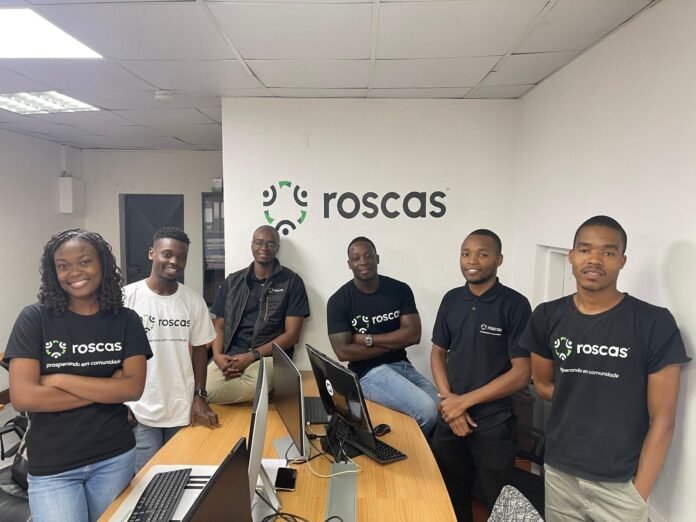
Financial inclusion remains a key global challenge. However, a Mozambican fintech startup, Roscas, is tackling the problem by introducing digital solutions that empower individuals and communities across the country. Roscas aims to digitize traditional savings groups by integrating digital tools and financial products tailored to the needs of the informal sector.

With around 85% of individuals involved in informal sectors in sub-Saharan Africa, the demand for affordable financial security products, such as insurance and pensions, has reached critical levels. Roscas fills this gap by empowering individuals historically excluded from formal financial systems to access welfare products such as insurance, capitalized savings and loans.

“At Roscas we are driven by our vision to dismantle barriers not only to financial inclusion, but also to economic inclusion, by equipping underserved communities with the tools to shape their financial destinies,” said José Samo Gudo, CEO and co-founder of Roscas. “Renew Capital Angels’ investment represents an exciting milestone in our journey, propelling us towards our vision of nurturing economic resilience and empowerment in Mozambique and sub-Saharan Africa.”

With a robust multi-channel strategy covering platforms such as WhatsApp, USSD and mobile apps, Roscas aims to ensure that its suite of financial products reaches its target audience with unparalleled ease.

“Renew Capital is delighted to announce our first investment in Mozambique. The decision to invest in Roscas underlines the growing recognition of the role that innovative financial technology solutions play in promoting economic growth. We are pleased to support the team in achieving its goal, improving its services and broadening its impact,” says Licinio Chissano, Renew Capital’s investment and project manager.

King Levi: “O Projecto ASAS é a nova agulha para a Moda em Moçambique”

Levi Maluvele ou simplesmente King Levi, é um jovem empreendedor, director criativo e CEO da prestigiada agência de moda KLD AGENCY, em Moçambique, e da VICIOUS SHOES.

King Levi, também Conselheiro da Superbrands Moçambique, nesta conversa, reflecte sobre o estágio actual do sector da Moda em Moçambique.

A entrevista é muito interessante e dá-nos dicas reais sobre as oportunidades de investimento com alto potencial de rentabilidade. Não deixem de ler até ao fim!

Profile Mozambique: Que avaliação podemos fazer do estágio actual da moda em Moçambique?

King Levi: Infelizmente, ainda não estamos em um nível em que possamos destacar uma indústria de moda consolidada. Há cerca de oito anos, criamos o Fancy África, uma das maiores plataformas de moda em Moçambique. No entanto, sentimos a necessidade de criar mais iniciativas. Este ano, lançamos o projecto ASAS, focado na formação e desenvolvimento de estilistas.

Estamos a desenvolver várias iniciativas, como oportunidades para modelos e colaborações internacionais. No ano passado, enviamos estilistas para o Brasil, Nigéria e outros países. Em Abril deste ano, estaremos em Paris. Nosso objectivo é criar um network de desenvolvimento de talentos não apenas fora do país, mas também dentro dele. Além disso, temos a ambição e missão de abrir uma fábrica de tecidos em Moçambique.

P.M: O mundo da moda em Moçambique, enfrenta ainda vários desafios para a sua estabilidade, neste cenário, podemos considerar um terreno propício para investimentos?

K.L: A moda em Moçambique está repleta de talento e criatividade. No entanto, enfrentamos desafios significativos, como a falta de oportunidades de financiamento e o limitado acesso da matéria-prima local.

Investir na indústria de tecelagem poderia ser a chave para superar esses obstáculos. Ao desenvolver e fortalecer a produção de tecidos localmente, não só poderíamos valorizar os recursos do país, mas também podíamos criar um ambiente favorável para o crescimento e a inovação na moda moçambicana.

P.M: A semana da moda é um dos grandes marcos deste sector, em termos práticos, como podemos descrever essa semana?

K.L: A Semana da Moda é uma oportunidade única para os moçambicanos explorarem seu potencial criativo e desenvolverem suas habilidades. É um ambiente onde podem interagir com outros profissionais do sector, trocar experiências e aprimorar suas qualidades.

Participar desse evento não só proporciona visibilidade para os talentos locais, mas também abre portas para oportunidades de crescimento e desenvolvimento, tanto a nível nacional quanto internacional. É um espaço de aprendizado constante, onde os participantes podem não só mostrar seus trabalhos, mas também aprender com os outros e expandir seus horizontes criativos.

Além disso, a Semana da Moda é também uma oportunidade de vendas, onde os criadores têm a chance de comercializar suas peças e expandir seus negócios. É um evento que impulsiona a indústria da moda em Moçambique, destacando a criatividade e o talento local para o mundo.

P.M: Sabemos que King Levi está em frente do projecto ASAS. Quais são os pontos de atenção e qual é o foco do projecto?

K.L: O projecto está focado em desenvolver capacidades e promover o auto-emprego. Nossa intenção é formar uma turma de pessoas que não vai apenas costurar, mas vai se tornar em estilistas. No final do curso, cada aluno vai adquirir uma máquina de costura, permitindo uma contínua prática e desenvolvimento de suas habilidades após a formação. O que acontece é que muitas pessoas tem habilidades de costura, mas poucas vezes tem acesso a máquinas, no curso, não iremos oferecer apenas aprendizado, mas ferramentas necessárias para iniciar o seu próprio negócio.

P.M: Quais são os requistos para participar do projecto ?

K.L: Se gosta de moda, tem apreço pelo universo da criação, de certeza que aderir ao projecto é obrigatório. Em relação as inscrições, serão feitas de forma simples, basta acessar a página do Fancy África e verificar o link disponível. O projecto é periódico e está prestes a começar com sua primeira turma, que terá a duração de uma semana intensa.

Duramos o curso, teremos a presença formadores internacionais. Essas parcerias nos permitem trazer profissionais experientes, enriquecendo o programa com diferentes perspectivas e experiências. O intercâmbio multicultural é fundamental para o desenvolvimento da moda.

P.M: Quais são os planos e as expectativas para o presente ano?

K.L: Neste ano começamos muito bem, já tivemos o Fancy Summer que foi realizado no dia 24 de Fevereiro. Daqui a algumas semanas, eu vou para França e vou produzir um evento de moda em Paris, onde poderei levar alguns estilistas moçambicanos e alguns que fazem parte da minha plataforma. Teremos também o Fancy África em Setembro, e ainda vou produzir o África Fashion Week em Novembro. Portanto, esse será um ano extremamente intenso e cheio de muito trabalho.

King Levi: “The ASAS Project is the new needle for fashion in Mozambique”

Levi Maluvele or simply King Levi, is a young entrepreneur, creative director and CEO of the prestigious fashion agency KLD AGENCY, in Mozambique, and of VICIOUS SHOES.

In this conversation, King Levi, who is also a board member of Superbrands Mozambique, reflects on the current state of the fashion sector in Mozambique.

The interview is very interesting and gives us real tips on investment opportunities with high profitability potential. Be sure to read to the end!

Profile Mozambique: What assessment can we make of the current state of fashion in Mozambique?

King Levi: Unfortunately, we are not yet at a level where we can highlight a consolidated fashion industry. About eight years ago, we created Fancy Africa, one of the largest fashion platforms in Mozambique. However, we felt the need to create more initiatives. This year, we launched the ASAS project, focused on training and developing fashion designers.

We are developing various initiatives, such as opportunities for models and international collaborations. Last year, we sent designers to Brazil, Nigeria and other countries. This April, we’ll be in Paris. Our aim is to create a talent development network not only outside the country, but also within it. In addition, we have the ambition and mission to open a fabric factory in Mozambique.

Profile Mozambique: What assessment can we make of the current state of fashion in Mozambique?

King Levi: Unfortunately, we are not yet at a level where we can highlight a consolidated fashion industry. About eight years ago, we created Fancy Africa, one of the largest fashion platforms in Mozambique. However, we felt the need to create more initiatives. This year, we launched the ASAS project, focused on training and developing fashion designers.

We are developing various initiatives, such as opportunities for models and international collaborations. Last year, we sent designers to Brazil, Nigeria and other countries. This April, we’ll be in Paris. Our aim is to create a talent development network not only outside the country, but also within it. In addition, we have the ambition and mission to open a fabric factory in Mozambique.

P.M: The fashion world in Mozambique is still facing a number of challenges to its stability, in this scenario, can we consider it a breeding ground for investment?

K.L: Fashion in Mozambique is full of talent and creativity. However, we face significant challenges, such as a lack of funding opportunities and limited access to local raw materials.

Investing in the weaving industry could be the key to overcoming these obstacles. By developing and strengthening fabric production locally, not only could we value the country’s resources, but we could also create a favorable environment for growth and innovation in Mozambican fashion.

P.M: Fashion Week is one of the great milestones in this sector, in practical terms, how can we describe it?

K.L: Fashion Week is a unique opportunity for Mozambicans to explore their creative potential and develop their skills. It’s an environment where they can interact with other professionals in the sector, exchange experiences and hone their skills.

Taking part in this event not only provides visibility for local talent, but also opens doors to opportunities for growth and development, both nationally and internationally. It is a space for constant learning, where participants can not only show their work, but also learn from others and expand their creative horizons.

In addition, Fashion Week is also a sales opportunity, where creators have the chance to market their pieces and expand their business. It’s an event that boosts the fashion industry in Mozambique, highlighting local creativity and talent to the world.

P.M: We know that King Levi is in charge of the ASAS project. What are the points of attention and what is the focus of the project?

K.L: The project is focused on developing skills and promoting self-employment. Our intention is to train a class of people who will not just sew, but will become stylists. At the end of the course, each student will acquire a sewing machine, allowing for continued practice and development of their skills after training. What happens is that many people have sewing skills, but rarely have access to machines. In the course, we will not only offer learning, but the tools needed to start your own business.

P.M: What are the requirements for taking part in the project?

K.L: If you like fashion, have an appreciation for the world of creation, joining the project is a must. Registration is simple: just go to the Fancy Africa website and check out the link. The project is periodic and is about to start its first class, which will last an intense week.

For the duration of the course, we will be joined by international trainers. These partnerships allow us to bring in experienced professionals, enriching the program with different perspectives and experiences. Multicultural exchange is fundamental to the development of fashion.

P.M: What are your plans and expectations for this year?

K.L: We’re off to a great start this year. We’ve already had Fancy Summer, which took place on February 24th. In a few weeks’ time, I’m going to France and I’m going to produce a fashion event in Paris, where I’ll be able to take some Mozambican designers and some who are part of my platform. We’ll also have Fancy Africa in September, and I’ll also be producing Africa Fashion Week in November. So it’s going to be an extremely intense year full of hard work.

Access Bank Mozambique lança iniciativa de sustentabilidade com reaproveitamento de cápsulas de café

Cafe

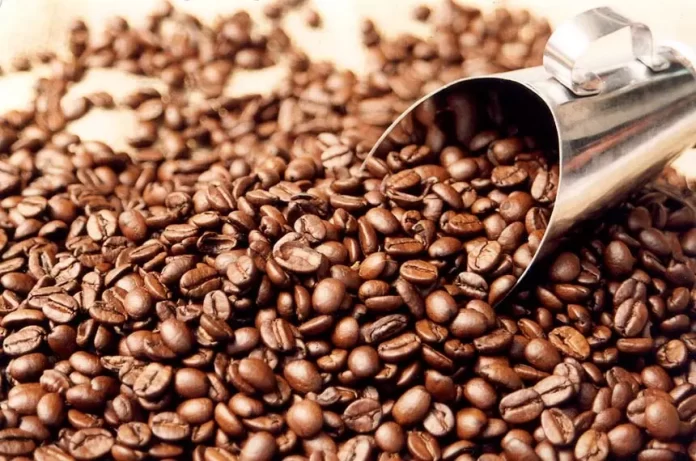
O Access Bank Mozambique iniciou um projecto  de sustentabilidade ambiental que visa o reaproveitamento de cápsulas de café. Durante seis meses, as cápsulas serão recolhidas nas agências das cidades de Maputo e Matola, numa parceria com a Reciclagem & Serviços Lda., uma empresa especializada em gestão ambiental de resíduos.

Este projecto, que promove a economia circular e práticas sustentáveis, pretende transformar as cápsulas recolhidas em objectos de artesanato, bijuteria e outros fins, enquanto a borra de café será utilizada como fertilizante na agricultura. Mais de cinco mil pessoas da comunidade do Chiango, na província de Maputo, serão beneficiadas por esta iniciativa.

Marco Abalroado, administrador-delegado do Access Bank Mozambique, afirma que o projecto está alinhado com a estratégia ambiental do banco, que busca melhorar o desempenho em sustentabilidade. O objectivo é contribuir para a redução do desperdício e envolver activamente colaboradores, clientes e comunidades locais em comportamentos mais sustentáveis.

Por sua vez, Rui Silva, director-geral da Reciclagem & Serviços Lda., destaca que a parceria visa educar e sensibilizar sobre a gestão responsável de resíduos. A empresa acredita que, juntamente com o Access Bank, será possível promover um futuro mais sustentável para todos.

Access Bank Mozambique launches sustainability initiative to reuse coffee capsules

Cafe

Access Bank Mozambique has started an environmental sustainability project aimed at reusing coffee capsules. For six months, the capsules will be collected at branches in the cities of Maputo and Matola, in partnership with Reciclagem & Serviços Lda, a company specializing in environmental waste management.

This project, which promotes the circular economy and sustainable practices, aims to turn the collected capsules into handicrafts, jewelry and other items, while the coffee grounds will be used as fertilizer in agriculture. More than five thousand people in the Chiango community, in Maputo province, will benefit from this initiative.

Marco Abalroado, managing director of Access Bank Mozambique, says that the project is in line with the bank’s environmental strategy, which seeks to improve sustainability performance. The aim is to help reduce waste and actively involve employees, customers and local communities in more sustainable behavior.

For his part, Rui Silva, managing director of Reciclagem & Serviços Lda, points out that the partnership aims to educate and raise awareness about responsible waste management. The company believes that, together with Access Bank, it will be possible to promote a more sustainable future for everyone.

Parque Nacional de Maputo recebeu mais de 20 mil turistas em 2023

Parque Nacional de Maputo

O Parque Nacional de Maputo, registou em 2023 um recorde de visitantes, recebendo mais de 20 mil turistas. Este aumento contribuiu significativamente para o crescimento e recuperação dos investimentos na área.

Segundo Miguel Gonçalves, administrador do parque, o número de turistas tem aumentado anualmente entre 10% e 15%, sendo que o ano passado foi o melhor de todos. “Estamos a chegar aos níveis em que estávamos antes da covid-19. Na componente de actividades marinhas, estamos ainda a recuperar – 2023 foi o melhor ano em termos de número de mergulhadores”, explicou.

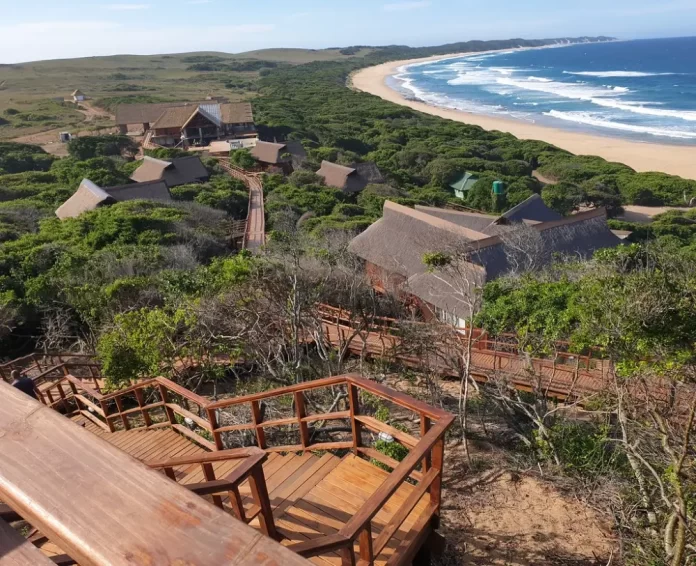
Actualmente, está em curso um grande investimento no parque, com melhorias na comunicação, sinalização e serviços de hospedagem, visando a proteção dos animais e a melhoria da experiência turística. “No interior do parque já funcionam acampamentos com boas condições, inclusive com água quente, água corrente e energia, além de três ‘lodges’ para alojamento turístico, dois dos quais de cinco estrelas”, destacou Gonçalves.

O Parque Nacional de Maputo é uma área protegida que junta a Reserva Especial de Maputo e a Reserva Marinha Parcial da Ponta do Ouro. Com uma área de 1718 quilómetros quadrados, o parque conta com diversas paisagens e ecossistemas, incluindo florestas, dunares, pradarias, mangais, recifes de coral, praias, rios e lagoas.

Actualmente, o parque emprega 121 pessoas a tempo inteiro, com previsão de ultrapassar os 200 colaboradores. As melhorias e investimentos realizados visam não só atrair mais turistas, mas também garantir a conservação e preservação deste importante património natural de Moçambique.

Maputo National Park received more than 20,000 tourists in 2023

Parque Nacional de Maputo

Maputo National Park saw a record number of visitors in 2023, receiving more than 20,000 tourists. This increase contributed significantly to the growth and recovery of investments in the area.

According to Miguel Gonçalves, the park’s administrator, the number of tourists has increased by between 10% and 15% every year, with last year being the best on record. “We’re reaching the levels we were at before covid-19. In terms of marine activities, we’re still recovering – 2023 was the best year in terms of the number of divers,” he explained.

Major investment is currently underway in the park, with improvements in communication, signage and accommodation services, aimed at protecting the animals and improving the tourist experience. “Inside the park there are already campsites with good conditions, including hot water, running water and electricity, as well as three lodges for tourist accommodation, two of which are five-star,” said Gonçalves.

Maputo National Park is a protected area that joins the Maputo Special Reserve and the Ponta do Ouro Partial Marine Reserve. With an area of 1718 square kilometers, the park has diverse landscapes and ecosystems, including forests, dunes, grasslands, mangroves, coral reefs, beaches, rivers and lagoons.
The park currently employs 121 people full-time, with the number of employees expected to exceed 200. The improvements and investments made aim not only to attract more tourists, but also to guarantee the conservation and preservation of this important natural heritage of Mozambique.

Banco Mundial e FMI debatem financiamento da resiliência climática em África

resilencia cliamtica

Com o início das Reuniões de Primavera do Banco Mundial e do FMI, esta semana, os países africanos, especialmente os da região Sul, debatem sobre a resiliência climática e o financiamento da recuperação das alterações climáticas.

Os países mais afectados, como Moçambique, Maláui, Comores e Madagáscar, necessitam de assistência financeira urgente para desenvolver a sua capacidade de resistência às alterações climáticas e recuperar das catástrofes provocadas pelo clima, como os ciclones Idai e Kenneth em 2019 e as tempestades tropicais Ana e o ciclone Batsirai em 2021.

O compromisso do Banco Mundial e do FMI em aumentar o financiamento climático para 100 mil milhões de dólares por ano até 2025, com uma parte significativa destinada ao continente africano, é crucial. No entanto, a questão permanece sobre se este compromisso se traduzirá em apoio tangível às nações africanas mais vulneráveis.

A resiliência climática é crítica para África, uma região particularmente susceptível aos impactos das alterações climáticas. Estima-se que estas poderão empurrar mais 100 milhões de pessoas para a pobreza no continente até 2030. Para mitigar estes impactos, as nações africanas precisam de investir em infra-estruturas resistentes ao clima, sistemas de alerta e programas de proteção social.

O Banco Mundial e o FMI podem apoiar estes esforços através de financiamento concessional, subvenções e assistência técnica às nações africanas, bem como na mobilização de investimento do sector privado em infra-estruturas resistentes às mudanças climáticas, o que é fundamental para a construção de resiliência a longo prazo.

É essencial que o apoio do Banco Mundial e do FMI seja equitativo e responda às necessidades das nações africanas mais vulneráveis, o que requer uma compreensão diferenciada dos desafios e oportunidades únicos que cada país enfrenta, bem como um compromisso de trabalhar em estreita colaboração com os governos africanos e outras partes interessadas.

Nampula pretende produzir mais de 200 mil toneladas de peixe em cativeiro

producao de peixes

O Governo de Nampula projecta um aumento na produção de peixe em cativeiro para este ano, com estimativas de atingir cerca de 288 mil toneladas, em comparação com as 134 mil toneladas do ano anterior. A produção total de pescado, incluindo métodos artesanais, industriais e de pequena escala, está prevista para chegar a cerca de 388 mil toneladas, sendo que 100 mil toneladas virão da pesca artesanal, um aumento notável em relação às 97 mil toneladas registradas no ano passado.

Este crescimento é atribuído à implementação bem-sucedida do Projecto de Desenvolvimento da Aquacultura em Pequena Escala (PRODAPE), conduzido pelo Instituto Nacional de Desenvolvimento das Pescas e Aquacultura. O projecto visa contribuir para a redução da pobreza e melhorar a segurança alimentar e nutricional, especialmente entre famílias rurais e crianças, abrangendo 23 distritos nas regiões central e Norte do país.

A implementação do projecto está em curso em três distritos da província, nomeadamente Larde, Mossuril e Ribáuè, onde a produção já é considerada notável, embora ainda não tenha começado a exportação para os mercados do interior do país.

Alda Salia, delegada da PRODAPE, destacou que, “além da produção de peixes em cativeiro ao longo da costa, existe também a produção de algas no distrito de Memba, com mercado na província da Zambézia”. Ela salientou que o objectivo do sector é expandir a produção para exportação para outros países, embora o projecto esteja actualmente limitado a três distritos.

Nampula plans to produce more than 200,000 tons of fish in captivity

producao de peixes

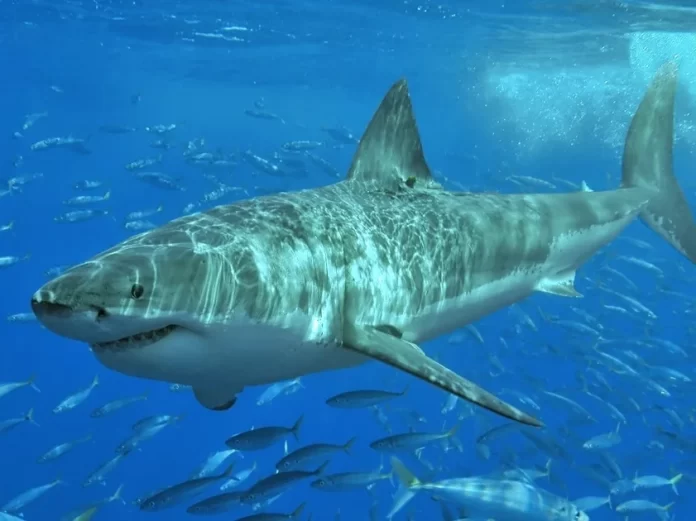
The Nampula government is projecting an increase in captive fish production this year, with estimates of reaching around 288,000 tons, compared to 134,000 tons last year. Total fish production, including artisanal, industrial and small-scale methods, is expected to reach around 388,000 tons, of which 100,000 tons will come from artisanal fishing, a notable increase on the 97,000 tons recorded last year.

This growth is attributed to the successful implementation of the Small-Scale Aquaculture Development Project (PRODAPE), run by the National Institute for Fisheries and Aquaculture Development. The project aims to contribute to poverty reduction and improve food and nutrition security, especially among rural families and children, covering 23 districts in the central and northern regions of the country.

Implementation of the project is underway in three districts of the province, namely Larde, Mossuril and Ribáuè, where production is already considered remarkable, although exports to markets in the interior of the country have not yet begun.

Alda Salia, PRODAPE’s delegate, pointed out that, “in addition to the production of fish in captivity along the coast, there is also algae production in Memba district, with a market in Zambézia province”. She pointed out that the sector’s aim is to expand production for export to other countries, although the project is currently limited to three districts.