



Monday, September 28, 2026
spot_img
Home Blog Page 220

Jónia Presado: “Piracy is a major challenge for the pay-TV market and beyond”

Her name is Jónia Presado and she is one of the Top 50 Women in Management Africa, winner ofthe Africa Silent Heroes awardand one of the 100 Most Influential Black Personalities in Lusophony – Bantumen Powerlist 2023. Jónia is currently Marketing, Communications and Public Relations Director at Multichoice Mozambique, managing the DStv and GOtv brands.

Speaking to Profile, Jónia gave her opinion on Superbrands Mozambique and highlighted the challenges and expectations of business marketing in the Mozambican context.

Profile Mozambique: How do you assess the relevance of Superbrands Mozambique?

Jónia Presado: The Superbrands initiative is commendable, and I admire its resilience since it was established in Mozambique (2019), now in its sixth edition for 2023-2024, despite the challenges faced and the interruption during the covid-19 period.

The organization has been resilient in keeping the Superbrands brand relevant in the Mozambican market. This is crucial, as we seek to elevate the brands and their businesses, as well as making the work and contribution of these brands known to Mozambican society.

PM: What is your perspective on the positioning of Mozambican companies in the current marketing context?

JP: Each company defines its positioning based on its strategic vision and objectives. The Mozambican market has become more competitive, dynamic and demanding and companies are forced to explore marketing as one of the commercial solutions to ensure their positioning in the market in which they operate. There has been a notable advance in the area of communication, especially in mobile telephony, pay television, banking, the food and beverage sector and a few others.

We have seen intelligent strategies that have resulted in beautiful work on the part of advertising agencies. We see campaigns that definitely resonate with the market and for that I congratulate the authors and marketing professionals. However, we are not yet a country that can be said to consistently practice marketing in its entirety. We need to explore the various types of marketing, adapting them to the nature of the product/service and the budgetary conditions of each company.

We mustn’t forget traditional media, which despite its limitations, such as the lack of tools to measure ATL campaigns, has served as the main lever for companies to promote their brands and will remain relevant for a long time in our country, where reaching a larger audience involving all social segments and spheres is only possible with traditional media, due to the low penetration of the internet and the high cost of accessing it. On the other hand, digital marketing has been a good bet for marketers not to ignore, as it already gives us the possibility of measuring the value and results of our campaigns. The increase in the number of marketing professionals in the country indicates that there is more demand from companies betting on communication and the quality of the work carried out is evident, both by advertising agencies and by collaboration between brands and media agencies.

Consumers are more aware of their rights and more demanding of the market’s offerings, highlighting the need to improve the customer experience and service. We need to focus on the customer experience throughout their journey, and not just on brands and branding. This is a crucial challenge for institutions and brands. Offering a positive customer experience is fundamental to building customer loyalty and maintaining brand consistency and success.

PM: What repercussions do you think companies that don’t develop a communication or marketing structure might face in terms of competitiveness and market relevance?

JP: Companies must communicate their brand in order to be in the minds of potential clients and consumers. If you don’t communicate, you’re not visible, so you don’t exist. The absence of a communications and marketing department in many African institutions is common due to limited budgets and the misleading perception that it is not essential. However, this gap results in several disadvantages.

The absence of a clear vision shared by everyone hinders the strategic direction of the organization. Although some institutions may have a vision and values, this alone is not enough; the lack of a communications department compromises consistency in communicating and understanding these principles.

Furthermore, it is difficult to effectively identify and communicate the brand and its value proposition to the market without a strategy, something that would only be possible with the existence of a communication structure. This leads to a scattered approach to communication and difficulty in understanding the target audience and adapting products or services to their needs. On the other hand, since Marketing is a support area, its absence diminishes the success of Sales, Retention and Customer Experience, among others.

Only brands that communicate consistently, have a value proposition that meets their audience’s expectations and deliver on their promise, can remain relevant and competitive in the market in which they operate. In short, the lack of a communications department hampers institutions’ ability to communicate effectively, understand the market, stand up to their competitors and achieve their goals.

PM: How is Multichoice dealing with the specific challenges it faces in its sector in Mozambique?

JP: The present and the future intertwine on a daily basis, especially as we move into the era of artificial intelligence. The growing demand for streaming services in Mozambique reflects the search for more for less, where the value proposition often translates into getting a lot for little.

However, this perception challenges the idea of a balanced comparison between price and quality.

While traditional pay-TV operators such as DStv, ZAP, Startimes, TMT and TV Cabo share the market and have perfect competition, the rise of streaming, often pirated, represents an additional challenge for traditional licensed operators. Piracy not only harms legal providers, but also has negative impacts on the entertainment industry, affecting musicians, filmmakers and other professionals.

In addition, the “economic recession” and the demand for more for less, contributes in some way to the demand for pirated content and exacerbates the challenges faced by the pay-TV market in Mozambique.
There is a great need to educate consumers in general about what piracy is, its negative consequences for the consumer as well as for those who promote it, because it steals millions in intellectual rights from authors, artists and inventors, promotes unemployment, makes it impossible to compete with serious companies that invest in research, pay taxes and comply with all legal and fiscal requirements, and consequently sets back the country’s economic development.
Moçambique anuncia aumento da exportação de energia eléctrica para Zâmbia

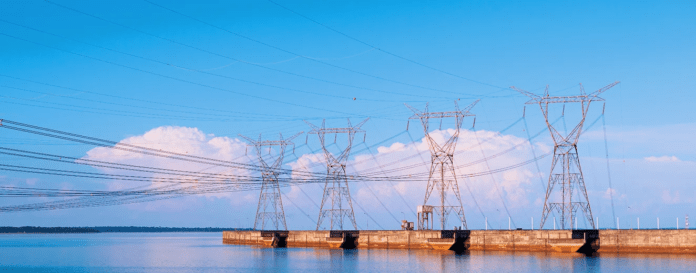
A Electricidade de Moçambique (EDM) vai aumentar a quantidade de energia fornecida à congénere ZESCO, da Zâmbia, de 50 para 90 MegaWatts (MW), de acordo com um comunicado divulgado ontem (05) pela estatal eléctrica nacional.

Para o efeito, foi assinada na quinta-feira, em Lusaka, uma adenda ao contrato inicial com a ZESCO, celebrado há um ano em Luanda, para compra e venda de energia eléctrica à Zâmbia para suprir o défice energético que este país enfrenta devido à estiagem que afecta as suas barragens hidroeléctricas.

A emenda visa a extensão da validade do acordo e revisão dos termos comerciais, nomeadamente, o preço e volumes de energia eléctrica.

“Não só pretendemos transaccionar mais volumes de energia eléctrica, mas também estabelecer parcerias no sector, bem como gerar confiança necessária para melhorar as trocas comerciais”, explicou o PCA, citado em comunicado da EDM.

Na mesma ocasião, a estatal eléctrica moçambicana reafirmou que a empresa está em prontidão para suprir o défice de energia eléctrica que a Zâmbia vive neste momento, em virtude da estiagem que afecta as sua barragens hidroeléctricas e, por conseguinte, a capacidade de geração de energia.

Marcelino Alberto disse ainda que “à médio prazo deverá ser executada a Linha de Interligação a 400kV, entre Moçambique e Zâmbia, estando esta infra-estrutura na lista dos projectos prioritários para aprimorar as trocas comerciais directas de energia em grandes volumes entre os dois países, bem como para o mercado da SAPP (Southern African Power Pool)”.

Por seu turno, o Director Geral da ZESCO, enalteceu a forte parceria entre ambas empresas e o compromisso para reforçar a estabilidade e crescimento do sector eléctrico na região da SADC.

“A capacidade adicional contratada confere um esforço significativo para mitigar o défice de electricidade na Zâmbia, devendo a mesma colmatar o défice de fornecimento às cargas essenciais nos sectores de serviços e de produção”, sublinhou Mapani.

Mozambique announces increase in electricity exports to Zambia

Electricidade de Moçambique (EDM) is to increase the amount of energy supplied to its Zambian counterpart ZESCO from 50 to 90 MegaWatts (MW), according to a statement issued yesterday (05) by the national electricity company.

To this end, an addendum was signed on Thursday in Lusaka to the initial contract with ZESCO, signed a year ago in Luanda, for the purchase and sale of electricity to Zambia to make up for the energy deficit the country is facing due to the drought affecting its hydroelectric dams.

The amendment aims to extend the validity of the agreement and review the commercial terms, namely the price and volumes of electricity.

“Not only do we want to trade more volumes of electricity, but we also want to establish partnerships in the sector, as well as generate the trust needed to improve trade,” explained the PCA, quoted in an EDM statement.

On the same occasion, the Mozambican state-owned electricity company reaffirmed that the company is ready to supply the electricity deficit that Zambia is currently experiencing, due to the drought affecting its hydroelectric dams and, consequently, its power generation capacity.

Marcelino Alberto also said that “the 400kV interconnection line between Mozambique and Zambia should be built in the medium term. This infrastructure is on the list of priority projects to improve direct energy trade in large volumes between the two countries, as well as for the SAPP (Southern African Power Pool) market”.

For his part, ZESCO’s General Manager praised the strong partnership between the two companies and their commitment to strengthening the stability and growth of the electricity sector in the SADC region.
“The additional contracted capacity makes a significant effort to mitigate the electricity deficit in Zambia, which should make up for the shortfall in supply to essential loads in the services and production sectors,” said Mapani.

Custo de vida vai aumentar nos próximos meses

Uma possível subida de combustíveis e serviços de telecomunicações, aliado aos choques climáticos pode resultar no encarecimento de custo de vida nos próximos meses, segundo o Relatório Economico e Perspectiva de Inflação lançado há dias pelo Banco de Mocambique.

“Constituem ainda factores de riscos às projecções o eventual agravamento da pressão fiscal, a possível maior severidade dos choques climáticos e os eventuais ajustamentos dos preços das telecomunicações e combustíveis”, escreve a instituição  reguladora.

De referir que em Janeiro a inflação esteve situada em 4,2% e 4,0% em Fevereiro. Mas, até Dezembro deste ano, poderá atingir 5,37%, de acordo com “O País”.

Ainda internamente, o banco central destaca a manutenção da elevada pressão sobre o orçamento do Estado; Ocorrência de choques climáticos e Prevalência da instabilidade militar em Cabo Delgado.

“A avaliação dos riscos e incertezas associados às projeções da inflação mantém-se favorável no médio prazo. Destacam-se como possíveis factores de contenção da inflação o esforço da consolidação fiscal e o impacto menos gravoso dos conflitos geopolíticos, sobre a cadeia logística e sobre os preços das mercadorias no mercado internacional”, escreve o BM.

O Relatório também que a actividade económica continue a expandir-se em níveis moderados, impulsionada pelo desempenho da indústria extrativa cuja produção aumentou significativamente com a produção de gás natural na plataforma Coral Sul FLNG, na bacia do Rovuma.

Cost of living to rise in coming months

A possible rise in fuel and telecommunications services, coupled with climate shocks, could result in a rise in the cost of living in the coming months, according to the Economic Report and Inflation Outlook released a few days ago by the Bank of Mozambique.

“The possible worsening of fiscal pressure, the possible greater severity of climatic shocks and possible adjustments to telecommunications and fuel prices are also risk factors for the projections,” wrote the regulatory institution.

It should be noted that inflation stood at 4.2% in January and 4.0% in February. But by December this year, it could reach 5.37%, according to “O País”.

Still internally, the central bank highlights the continued high pressure on the state budget; the occurrence of climatic shocks and the prevalence of military instability in Cabo Delgado.

“The assessment of the risks and uncertainties associated with inflation projections remains favorable in the medium term. Possible factors for containing inflation include fiscal consolidation efforts and the less serious impact of geopolitical conflicts on the logistics chain and on commodity prices on the international market,” writes the WB.

The report also predicts that economic activity will continue to expand at moderate levels, driven by the performance of the extractive industry, whose production has increased significantly with the production of natural gas on the Coral Sul FLNG platform in the Rovuma basin.

Veja aqui as oportunidades de investimento com alto potencial de rentabilidade no país

Moçambique, uma nação cheia de potencial, oferece um mercado vibrante para os empresários que procuram novos horizontes. Mas por onde é que se começa? Compreender as tendências do consumidor e os pontos fortes de exportação do país é a chave para desbloquear o sucesso. Este artigo analisa recursos valiosos para lançar luz sobre o panorama empresarial de Moçambique em 2024.

Compreender as necessidades dos consumidores

A Eworldtrade fornece informações valiosas sobre os produtos online mais vendidos em Moçambique. Desde necessidades básicas como vestuário e calçado a bens domésticos e electrónicos, a procura destes produtos reflecte a crescente classe média do país e o aumento da penetração da Internet. As empresas podem tirar partido desta informação, adaptando as suas ofertas de produtos para satisfazer estas preferências online.

O Guia de Bens de Grande Consumo em Moçambique do Departamento de Comércio dos EUA oferece uma perspectiva complementar. Este recurso destaca os bens de consumo, como alimentos processados, bebidas e artigos de cuidados pessoais, como estando em alta demanda. É aqui que as empresas podem explorar oportunidades de fornecimento destes bens de consumo quotidiano ou mesmo fabricá-los localmente para satisfazer o crescente consumo interno.

Capitalizando as Exportações de Moçambique

O WorldtopExports lança luz sobre os pontos fortes das exportações de Moçambique. O país é um grande exportador de produtos agrícolas como a castanha de caju, o algodão e a madeira. Para além disso, Moçambique possui ricos recursos minerais, exportando alumínio, carvão e gás natural.

As empresas podem explorar oportunidades na cadeia de fornecimento para estas exportações. Isto pode envolver o fornecimento de equipamento agrícola e perícia, serviços de transporte e logística, ou mesmo processamento de valor acrescentado de matérias-primas.

Aproveitar os conhecimentos em 2024

A informação recolhida a partir destes recursos permite que as empresas tomem decisões informadas em 2024. Aqui estão algumas das principais conclusões:

  • Boom do comércio eletrónico: O aumento das compras online representa uma oportunidade para as empresas estabelecerem uma forte presença online e atenderem aos crescentes utilizadores da Internet em Moçambique.
  • Foco nos produtos de grande consumo: Satisfazer a procura de bens de consumo diário tem um potencial imenso, especialmente para as empresas que podem estabelecer uma produção local ou canais de distribuição eficientes.
  • Juntar-se ao panorama de exportação: O próspero sector de exportação de Moçambique oferece oportunidades para as empresas se integrarem na cadeia de abastecimento ou explorarem serviços de valor acrescentado relacionados com os produtos de exportação do país.

Ao considerar cuidadosamente estes aspectos e realizar mais pesquisas, os empresários podem aproveitar as possibilidades interessantes que o panorama empresarial de Moçambique apresenta em 2024. Lembre-se, o sucesso muitas vezes reside no alinhamento da sua estratégia de negócios com as necessidades do mercado e os pontos fortes económicos do país.

Here are the investment opportunities with a high potential for profitability in the country

Mozambique, a nation full of potential, offers a vibrant market for entrepreneurs looking for new horizons. But where do you start? Understanding consumer trends and the country’s export strengths is the key to unlocking success. This article looks at valuable resources to shed light on Mozambique’s business landscape in 2024.

Understanding consumer needs

Eworldtrade provides valuable information on the best-selling online products in Mozambique. From basic necessities such as clothing and footwear to household goods and electronics, the demand for these products reflects the country’s growing middle class and increasing internet penetration. Companies can take advantage of this information by adapting their product offerings to meet these online preferences.

The US Department of Commerce’s Guide to FMCG in Mozambique offers a complementary perspective. This resource highlights consumer goods, such as processed foods, beverages and personal care items, as being in high demand. This is where companies can explore opportunities to supply these everyday consumer goods or even manufacture them locally to satisfy growing domestic consumption.

Capitalizing on Mozambique’s Exports

WorldtopExports sheds light on Mozambique’s export strengths. The country is a major exporter of agricultural products such as cashew nuts, cotton and timber. In addition, Mozambique has rich mineral resources, exporting aluminum, coal and natural gas.

Companies can explore opportunities in the supply chain for these exports. This could involve supplying agricultural equipment and expertise, transportation and logistics services, or even value-added processing of raw materials.

Harnessing knowledge in 2024

The information gathered from these resources allows companies to make informed decisions in 2024. Here are some of the main conclusions:

(i) E-commerce boom: The increase in online shopping represents an opportunity for companies to establish a strong online presence and cater to Mozambique’s growing Internet users.

(ii) Focus on FMCG: Meeting the demand for everyday consumer goods has huge potential, especially for companies that can establish local production or efficient distribution channels.

(iii) Joining the export scene: Mozambique’s thriving export sector offers opportunities for companies to integrate into the supply chain or explore value-added services related to the country’s export products.

By carefully considering these aspects and carrying out further research, entrepreneurs can take advantage of the interesting possibilities that Mozambique’s business landscape presents in 2024. Remember, success often lies in aligning your business strategy with the needs of the market and the country’s economic strengths.

Conheça as principais inovações do novo Regulamento do Investimento Privado em Moçambique

Foi recentemente aprovado o Decreto nº 8/2024, de 7 de Março que regula a Lei do Investimento (Lei nº 8/2023, de 9 de Junho), e estabelece os procedimentos aplicáveis aos processos de aprovação e realização dos investimentos privados em Moçambique e elegíveis ao gozo de garantias e incentivos fiscais e não fiscais. Apresentamos abaixo um resumo dos principais aspectos a considerar:

Investimento Directo Estrangeiro

O valor mínimo de Investimento Directo Estrangeiro (“IDE”), para efeitos de transferência de lucros e exportação do capital investido para o exterior é de 6.500.000,00MT (aproximadamente USD 100.743,95).

O IDE deve ser devidamente registado nos termos da legislação cambial e a exportação de lucros e capital investido carece de prova do registo. O IDE efectuado por transferência de capitais só pode ser registado se efectuado através do sistema bancário nacional. O IDE sob a forma de equipamento ou materiais deve ser registado pelo valor CIF, conforme documentos emitidos pelas autoridades aduaneiras.

É possível a conversão de dívida contraída no exterior em IDE, desde que cumpridos os requisitos da legislação cambial.

Propostas de Investimento – Regime de Mero Registo

Aplicável a projectos de investimento até ao valor de 32.000.000.000,00MT (aproximadamente USD 495.970.241,24). A decisão sobre os pedidos de mero registo é tomada pelas seguintes entidades:

  • Governador de Província: para projectos até 3.500.000.000,00MT (aproximadamente USD 54.246.745,19);
  • Director-Geral da APIEX: para projectos até 6.500.000.000,00MT (aproximadamente USD 100.743.955,36);
  • Ministro da Economia e Finanças: para projectos até 32.000.000.000,00MT (aproximadamente USD 495.970.241,78). O certificado de investimento constitui documento comprovativo do registo do projecto, devendo ser apresentado para efeito do gozo dos benefícios fiscais e demais garantias do investimento.

Regime de Autorização

Aplicável a projectos de investimento de valor superior a 32.000.000.000,00MT (aproximadamente USD 495.970.241,78). Implica a apresentação de um estudo de viabilidade técnica, económica e financeira em modelo próprio, que demonstre a sustentabilidade do projecto e respectivos planos de investimento e financiamento. A Autorização de Investimento é aprovada por Resolução do Conselho de Ministros ou Despacho do Ministro de Economia e Finanças, nos termos abaixo:

  • Ministro da Economia e Finanças: para projectos que tenham por objecto o processamento industrial de produtos mineiros e/ou petrolíferos, e projectos com previsíveis implicações de ordem económica, social, de segurança e/ou de saúde pública;
  • Conselho de Ministros: para (i) projectos que tenham valor superior a 32.000.000.000,00MT (aproximadamente USD 495.970.241,78), (ii) empreendimentos de parcerias público-privadas e concessões empresariais, (iii) projectos que requeiram extensão de terra de área igual ou superior a 10.000 há, e (iv) projectos que requeiram concessão florestal de área superior a 100.000 ha.

Revogação do Certificado e da Autorização de Investimento

A revogação pode ocorrer nos seguintes casos:

  • A pedido fundamentado dos investidores;
  • Expirado o prazo estabelecido para o início da implementação do projecto, sem que tenha havido início do mesmo ou comunicação prévia dos investidores sobre o motivo do atraso;
  • Paralisação da implementação ou exploração do empreendimento por período contínuo superior a 3 meses, sem que tenha havido comunicação prévia por parte do investidor; e
  • Verificação do incumprimento da Lei e do Regulamento do Investimento, de outras disposições legais aplicáveis, bem como das condições previstas no respectivo certificado ou autorização de investimento.

Cedência da Posição de Investidor

É livre a transmissão de participações sociais detidas por investidores em projectos de investimentos, desde que ocorra em território nacional e seja devidamente notificada à entidade que emitiu o certificado ou autorização de investimento. A formalização do registo do novo investidor depende da notificação acima e da apresentação de prova do cumprimento das obrigações fiscais inerentes à transacção.

Dever de Informação Os investidores e promotores do projecto devem submeter informação semestral sobre o estágio de realização das actividades do projecto, mediante preenchimento de formulário próprio.

Responsabilidade dos Investidores em Regime de Autorização

  • Desenvolver programas de reassentamento da população afectada pelo projecto;
  • Criar ou desenvolver infraestruturas nas áreas de educação, saúde, transportes, vias de comunicação, energia eléctrica, água, saneamento, preferencialmente na área geográfica de implementação do projecto;
  • Colaborar com as instituições de ensino locais;
  • Contratar mão de obra, bens e serviços locais; e
  • Contribuir para o desenvolvimento de negócios de PME moçambicanas.

Por forma a assegurar a harmonização do cumprimento das responsabilidades supra, devem os investidores articular previamente com as entidades locais e organismos de tutela sectorial.

Get to know the main innovations of the new Private Investment Regulation in Mozambique

Decree no. 8/2024 of March 7 was recently approved, regulating the Investment Law (Law no. 8/2023 of June 9) and establishing the procedures applicable to the approval and implementation of private investments in Mozambique and eligible for tax and non-fiscal guarantees and incentives. Below is a summary of the main aspects to consider:

Foreign Direct Investment

The minimum amount of Foreign Direct Investment (“FDI”), for the purposes of transferring profits and exporting the invested capital abroad, is 6,500,000.00MT (approximately USD 100,743.95).

FDI must be duly registered under the terms of foreign exchange legislation and the export of profits and invested capital requires proof of registration. FDI made by capital transfer can only be registered if it is made through the national banking system. FDI in the form of equipment or materials must be registered at CIF value, according to documents issued by the customs authorities.

It is possible to convert debt contracted abroad into FDI, provided that the requirements of foreign exchange legislation are met.

Investment Proposals – Mere Registration Regime

Applicable to investment projects up to the value of 32,000,000,000.00MT (approximately USD 495,970,241.24). The decision on requests for mere registration is taken by the following entities:

(i) Provincial Governor: for projects up to 3,500,000,000.00MT (approximately USD 54,246,745.19);

(ii) Director General of APIEX: for projects up to 6,500,000,000.00MT (approximately USD 100,743,955.36);

(iii) Minister of Economy and Finance: for projects up to 32,000,000,000.00MT (approximately USD 495,970,241.78). The investment certificate is proof of the project’s registration and must be presented for the purposes of enjoying tax benefits and other investment guarantees.

Authorization Regime

Applicable to investment projects worth more than 32,000,000,000.00MT (approximately USD 495,970,241.78). It requires the presentation of a technical, economic and financial feasibility study in a specific model, which demonstrates the sustainability of the project and the respective investment and financing plans. The Investment Authorization is approved by Resolution of the Council of Ministers or Order of the Minister of Economy and Finance, under the following terms:

(i) Minister for the Economy and Finance: for projects involving the industrial processing of mining and/or oil products, and projects with foreseeable economic, social, safety and/or public health implications;

(ii) Council of Ministers: for (i) projects with a value of more than 32,000,000,000.00MT (approximately USD 495,970,241.78), (ii) public-private partnership ventures and business concessions, (iii) projects requiring an extension of land of an area equal to or greater than 10,000 ha, and (iv) projects requiring a forestry concession of an area greater than 100,000 ha.

Revocation of the Investment Certificate and Authorization

Revocation may occur in the following cases:

(i) At the reasoned request of the investors;

(ii) The deadline set for the start of project implementation has expired, without there having been a start or prior communication to the investors about the reason for the delay;

(iii) Paralysis of the implementation or operation of the project for a continuous period of more than 3 months, without prior communication from the investor; and

(iv) Verification of non-compliance with the Investment Law and Regulations, other applicable legal provisions, as well as the conditions set out in the respective investment certificate or authorization.

Transfer of Investor Position

The transfer of shareholdings held by investors in investment projects is free, as long as it takes place in national territory and is duly notified to the entity that issued the investment certificate or authorization. The formalization of the new investor’s registration depends on the above notification and the presentation of proof of compliance with the tax obligations inherent in the transaction.

The investors and promoters of the project must submit information every six months on the progress of the project’s activities, by filling in the appropriate form.

Responsibility of Investors under the Authorization Regime

(i) Develop resettlement programs for the population affected by the project;

(ii) Create or develop infrastructures in the areas of education, health, transport, communication routes, electricity, water and sanitation, preferably in the geographical area where the project will be implemented;

(iii) Collaborate with local educational institutions;

(iv) Hire local labor, goods and services; and

(v) Contribute to the business development of Mozambican SMEs.

In order to ensure that the above responsibilities are met in a harmonized manner, investors should liaise in advance with local entities and sectoral bodies.

Lucro da Kenmare cai devido ao mercado mais fraco e aos desafios operacionais

Kenmare Moma Mine November 2019

O produtor de titânio e zircão listado na bolsa de Londres, Kenmare Resources, relatou lucro antes de juros, impostos, depreciação e amortização (Ebitda) de 220 milhões de dólares (13,9 mil milhões de meticais) para 2023, uma redução de 26% face ao ano anterior, quando conseguiu 298 milhões de dólares (18,8 mil milhões de meticais).

Segundo o portal de notícias Mining Weekly, o Conselho de Administração da empresa declarou uma distribuição para o ano inteiro de 50 milhões de dólares (3,1 mil milhões de meticais), o que equivale a 0,56 dólar cada, representando um aumento de 3% em relação ao ano anterior. A empresa devolveu mais de 250 milhões de dólares (15,8 mil milhões de meticais) aos accionistas desde 2019.

A Kenmare opera a mina Moma Titanium Minerals, em Moçambique, que gerou uma receita de 437 milhões de dólares (27,6 mil milhões de meticais), que é 12% maior em relação ao ano anterior.

O site explica que a empresa registou um aumento de 4% nos custos operacionais totais em dinheiro, para 228 milhões de dólares (14,4 mil milhões de meticais), em comparação com o ano anterior, devido ao aluguer de mais equipamento móvel pesado e de custos mais elevados de combustível. O custo operacional em dinheiro por tonelada aumentou 15% em relação ao ano anterior.

A empresa produziu volumes 9% mais baixos de minerais pesados (HMC) no ano em análise, com 1,44 milhões de toneladas, devido a menores teores de minério e taxas de extracção, que foram afectados por interrupções de energia e pela queda de raios. A produção de ilmenite de 986 300 toneladas registou uma diminuição de 9% em relação ao ano anterior, o que está em consonância com a menor produção de HMC.

As expedições de produtos acabados, numa quantidade de 1,04 milhões de toneladas, registaram uma descida de 3% em relação ao ano anterior, devido à debilidade dos mercados de produtos e às más condições climáticas no último trimestre do ano.

O director-geral da Kenmare, Michael Carvill, referiu que o bom desempenho financeiro foi conseguido apesar dos desafios operacionais e do mercado de produtos mais fraco.

“O lucro após impostos diminuiu 36% em termos anuais para 131 milhões de dólares (8,2 mil milhões), em comparação com 206 milhões de dólares (13 mil milhões de meticais) de lucro após impostos registados no ano anterior”, disse a fonte.

Olhando para o futuro, a Michael Carvill espera que a produção deste ano seja ponderada para o segundo semestre. Até agora, os mercados para os produtos da Kenmare têm sido mais fortes do que o esperado no acumulado do ano, impulsionados pela melhoria da procura de pigmento de titânio.