



Sunday, April 26, 2026
spot_img
Home Blog Page 236

Elthon Chemane: “ACLM is developing solutions to promote Local Content and support Mozambican companies”

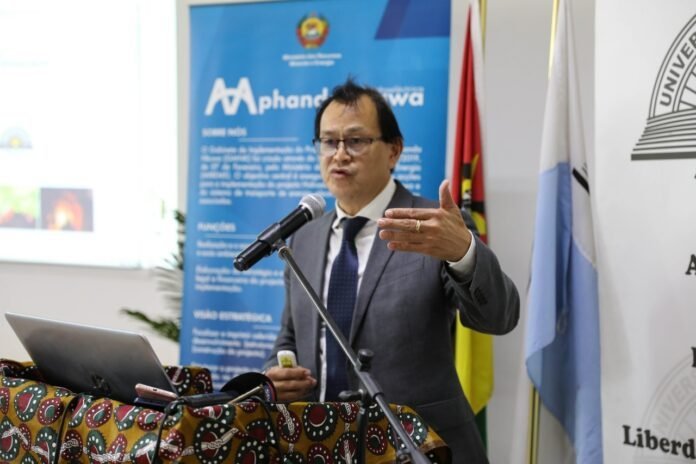
During his intervention at the Workshop on the crucial topic: “Induction on Local Content in the Oil and Gas Industry”, the President of the Local Content Association of Mozambique (ACLM), Elthon Chemane, provided valuable insights into several important aspects to be aware of and suggestions on ways forward for opportunities in the O&G industry.

How can we ensure that local content is implemented transparently and have visibility of the benefits considering the current levels of corruption in Mozambique?

Elthon Chemane: To begin with, it is crucial to identify a strategic starting point, similar to the principle of strengthening a country by privileging and leveraging its existing resources. An initial approach would be to exploit the services already available within the country. It is proposed to carry out a “rollout” by means of an IBS (Industrial Baseline Survey), which translates into a comprehensive analysis of the Mozambican business market. This initiative aims to provide a detailed diagnosis, allowing a deeper understanding of the local capacity to offer certain services.

Next, a “ring fence” would be implemented, a piece of legislation that establishes a protective barrier. This legislation would instruct megaprojects to contract services from a specific list of Mozambican companies. It is worth noting that it is not essential for this measure to be imposed by law; the regulator can issue an organic instrument or a policy to achieve this.

It is essential to understand that megaprojects do not necessarily have the intention of doing harm to any country. They often take advantage of situations in which the country is poorly positioned in order to gain benefits. Therefore, the initial focus should be on protecting existing businesses, placing them on the doorstep of opportunities.

From this initial phase, the dynamic becomes a direct relationship between suppliers and buyers, based on the principles of supply and demand. Factors such as price, quality and other crucial aspects come into play during the process of contracting services or acquiring goods.

By protecting established companies, we provide an environment conducive to growth and, consequently, to expanding the number of competitive companies. This progressive method allows us to work with other emerging companies over time, facilitating their development and incorporating them into the opportunities available.

I would like clarification on the point that local content is not corporate social.

If we consider that it is not obligatory for the company not to comply with corporate social responsibility, then what are the advantages of operations in the oil and gas industry for local communities?

EC: Corporate social responsibility is a facet present in all companies, regardless of their size. Many of them implement programs to develop the regions where they operate, contributing to the well-being of local communities. On the other hand, megaprojects often bring high-quality infrastructure to their operators, but these benefits don’t always extend to the surrounding communities.

These actions are not impositions; they require authorization, not resettlement, but corporate social responsibility. Small investments to benefit communities, even if they do not provide direct benefits to the projects, are considered part of this responsibility.

However, it is important to distinguish corporate social responsibility from local content. In the case of the latter, it is a government perspective aimed at ensuring that local companies win contracts. Collaboration between the public and private sectors can include suggestions and programs to strengthen local companies, bringing them closer to business opportunities. The pursuit of certifications, for example, can be a strategy to improve the standards and competitiveness of local companies.

Effective communication and the exchange of ideas generate synergies and initiatives that boost the growth of Mozambican companies, making it possible to quantify tangible improvements, such as the number of local companies involved, growth, improved standards, expansion and other relevant indicators. These benefits, in turn, contribute to the country’s economic development.

Importantly, local content is not about donations or charity. It is a strategic approach aimed at creating tangible and sustainable opportunities for local companies. Evaluating the impact of these initiatives goes beyond quantifying the resources invested; it also requires analyzing how these investments have generated concrete results, such as hiring and purchasing products from local communities, thus promoting a virtuous cycle of economic development.

What is expected to happen in relation to the oil and gas project in Palma? If the project resumes under the current conditions of insecurity, will there be conditions to guarantee the movement of the human and material resources of national companies, air and sea resources, will they be available to SMEs?

EC: With regard to security, we recognize that instability in the project is an uncertainty that cannot be guaranteed by anyone, including me or anyone else. We all look forward to the project overcoming the force majeure clause and actually coming to fruition.

However, it is important to note that even after the force majeure clause has been suspended, this does not necessarily imply continued certainty. The project will continue to face significant uncertainties due to external factors, such as terrorism and attacks, which, even with the implementation of security measures and the creation of minimum conditions, remain beyond direct control.

Nobody wants war, and I recognize that I am not an expert on the subject. However, it is inevitable that, initially, access to the area will be hampered due to the need for 24-hour security. Even with security measures, there are no absolute guarantees of safety. The transportation of cargo and people will continue to be risky until the area is completely secure and free of terrorist threats.

These circumstances will certainly make transportation, logistics and other associated costs more expensive. However, it is crucial to understand that these are factors beyond the control of the project, the government or any other entity. The government, within its capabilities and the support it has received, is committed to doing its best, but there are challenges that have not been overcome so far.

The force majeure clause was implemented to safeguard against situations beyond the control of either the government, investors or communities involved, which could pose dangers to the project, justifying a temporary pause. An assessment is currently underway to determine whether favorable conditions exist, but you should be aware that even after this survey, conditions can evolve over time, keeping the project in a critical and sensitive state for a considerable period.

What is ACLM’s role in supporting this segment of SMEs?

EC: ACLM is currently committed to inducing local content and seeks to offer innovative solutions to support micro, small and medium-sized enterprises. ACLM’s role is to improve the performance of local content by bringing supply closer to demand. This involves actions and interactions with investors, the private sector and the government.

ACLM acts as an intermediary to improve the business ecosystem and support Mozambican companies. Interaction with various stakeholders is key to finding solutions and paths that benefit local companies. At the moment, ACLM has implemented an access to finance program, offering alternative solutions in collaboration with partners.

An example of this commitment is the workshop program scheduled for February 8, focused on supporting companies. One of the main barriers for companies is the difficulty in obtaining financing from commercial banks, due to strict requirements, such as the collateralization of loans in Mozambique, which reaches 120%. This represents a significant challenge for companies with contracts that require capital for execution.

ACLM is developing solutions to tackle this problem and directly support Mozambican companies. The aim is not only to facilitate access to finance, but also to help operators establish businesses with local companies, promoting economic growth and strengthening ACLM’s role in improving the business ecosystem in Mozambique.

How does ACLM view the approval of the Local Content Law as a mechanism to promote the integration of SMEs into the value chain of major projects?

EC: In my analysis, I believe that the implementation of a local content law at this time could lead to significant disadvantages. I repeat, this would be because such legislation would potentially bring with it a number of challenges, making it highly subjective. This is not just an assumption; it represents a real fact. There is a substantial risk of blocking crucial opportunities to adjust and shape strategies in favor of national companies.

Limiting the ability to change a law during the given period, usually around five years, is a valid concern. Megaprojects in the oil and gas industry often operate in challenging contexts, including countries with problems such as terrorism, water shortages, electricity shortages and armed conflicts. For these projects, these conditions are an integral part of the game. They invest where they see business opportunities, except in countries with legislative instability.

The risk associated with implementing an ill-conceived law, which after two, three or four years requires changes, represents a critical factor that could lead projects to withdraw immediately and not return to Mozambique. Legislative instability is considered unacceptable in this context.

Currently, the absence of a local content law can be seen as an advantage. This approach offers companies the opportunity to merge and unite in order to improve their competitiveness in the face of ongoing tenders. It also allows contractors to make exceptions, either by awarding partial contracts for companies to gradually gain experience, or for Independent Management Companies (IMCs) to accumulate knowledge over time and achieve more substantial contracts within the industry.

If a law were to be implemented at this time, it would be compelled to evaluate industry standards, which are protected by international norms. It is important to recognize that the oil and gas industry is self-regulating, with procurement and contracting processes being conducted internationally.

The price of a barrel of oil and the trade in crude oil are dictated by international dynamics. Thus, no individual government can dictate laws in these domains without the risk of damaging its own national interests. The role of governments is to accommodate these projects within the standards of the International Court, seeking to adjust them to extract the maximum benefits and value, always in pursuit of development and to the detriment of national interests. In this sense, legal instruments such as regulations, at this stage, can be useful to gradually shape the regulatory environment.

Moçambique prevê retomar a frota de comboios para Eswatini este ano

Moçambique prevê retomar a frota de comboios para Eswatini este ano

O serviço de comboio de passageiros entre Moçambique e o Reino de Eswatini poderá ser retomado este ano, sujeito à conclusão de obras de infra-estrutura necessárias na linha férrea do país vizinho. Lara Popinsky, chefe de Serviços de Transporte de Passageiros na empresa Caminhos de Ferro de Moçambique (CFM), revelou ao “Notícias” que as viagens experimentais já foram realizadas, mas a infra-estrutura do lado de Eswatini ainda não está adequada, o que resulta em viagens mais demoradas.

Como resposta a essa situação, os CFM estão reavaliando a estrutura organizacional e operacional do serviço de comboio, tendo criado uma comissão com técnicos dos dois países para elaborar um novo projecto de exploração do corredor ferroviário. Este projecto, já submetido para avaliação e aprovação, inclui mudanças nos horários, vias e outros aspectos cruciais para uma operação eficiente.

Durante as viagens experimentais, mais de 550 passageiros foram transportados em duas ocasiões, marcando o retorno do serviço quase duas décadas após a sua interrupção. Popinsky destacou o interesse da Eswatini Railways na retomada das ligações entre os dois países e a expectativa de que isso ocorra em breve e em melhores condições. Além disso, revelou que há projectos em curso para restabelecer as ligações ferroviárias com a África do Sul.

O transporte de passageiros entre Moçambique e Eswatini por via-férrea foi retomado em 2022, após duas décadas de interrupção. A primeira viagem ocorreu em Novembro, com um custo de 1.250 meticais por passagem. Em Agosto do mesmo ano, representantes das empresas CFM e Eswatini Railways assinaram um acordo para a circulação de comboios directos entre o Porto de Maputo e Sdokodvo, formalizando o transporte de carga entre os dois países.

A retomada do transporte de passageiros por comboio entre Moçambique e Eswatini visa facilitar o comércio e impulsionar o crescimento económico em ambos os países. A expectativa é de que, com as obras de infra-estrutura e os ajustes operacionais, o serviço de comboio possa ser restabelecido com sucesso e contribua para uma maior integração entre as nações.

Mozambique plans to resume trains to Eswatini this year

Moçambique prevê retomar a frota de comboios para Eswatini este ano

The passenger train service between Mozambique and the Kingdom of Eswatini could resume this year, subject to the completion of the necessary infrastructure works on the neighboring country’s railway line. Lara Popinsky, head of Passenger Transport Services at the Caminhos de Ferro de Moçambique (CFM) company, revealed to “Notícias” that experimental journeys have already taken place, but the infrastructure on the Eswatini side is still inadequate, resulting in longer journeys.

In response to this situation, the CFM is re-evaluating the organizational and operational structure of the train service and has set up a commission with technicians from both countries to draw up a new project for operating the rail corridor. This project, which has already been submitted for evaluation and approval, includes changes to timetables, tracks and other crucial aspects for efficient operation.

During the experimental trips, more than 550 passengers were transported on two occasions, marking the return of the service almost two decades after it was interrupted. Popinsky highlighted Eswatini Railways’ interest in resuming connections between the two countries and the expectation that this will happen soon and under better conditions. He also revealed that there are projects underway to re-establish rail links with South Africa.

Passenger transportation between Mozambique and Eswatini by rail was resumed in 2022, after two decades of interruption. The first trip took place in November, at a cost of 1,250 meticais per ticket. In August of the same year, representatives of CFM and Eswatini Railways signed an agreement to run direct trains between the Port of Maputo and Sdokodvo, formalizing freight transport between the two countries.

The resumption of passenger train transportation between Mozambique and Eswatini aims to facilitate trade and boost economic growth in both countries. The expectation is that, with the infrastructure works and operational adjustments, the train service can be successfully re-established and contribute to greater integration between the nations.

JICA financia 2 mil milhões de meticais no sector da energia em Moçambique

JICA financia 2 mil milhões de meticais no sector da energia em Moçambique

A Agência Japonesa para Cooperação Internacional (JICA) está a investir mais de 31 milhões de dólares, o equivalente a cerca de dois mil milhões de meticais, em projectos de desenvolvimento em Moçambique. Os investimentos abrangem a construção de fontes de abastecimento de água nas zonas rurais, reabilitação de estradas e o aumento da capacidade de geração de energia eléctrica em várias regiões do país.

De acordo com Oshima Fuka, responsável pelos programas da JICA em Moçambique, a agência está financiando 12 projectos de desenvolvimento no país, sendo seis deles por meio de donativos. Os esforços estão concentrados na melhoria da qualidade de vida da população, com foco especial nas províncias de Niassa e Nampula, no Norte do país.

Em Niassa, a JICA está investindo mais de 15 milhões de dólares na construção de quatro sistemas de abastecimento de água e 100 reservatórios, beneficiando mais de 87 mil pessoas. Já em Nampula, o foco está no reforço da capacidade de produção de energia eléctrica, com a construção de uma central de gás combinada em Nacala-Porto, aproveitando os projectos de exploração de gás em Cabo Delgado.

O conselheiro do director-geral para Cooperação com África, Yoshizawa Kei, reiterou o compromisso da JICA em continuar a apoiar financeiramente os projectos de desenvolvimento em Moçambique, alinhando-se com os compromissos assumidos na Conferência de Tóquio para o Desenvolvimento de África (TICAD). Ele destacou que a JICA pretende desembolsar mais de cinco biliões de dólares em áreas como saúde, educação e resiliência climática, visando impulsionar o desenvolvimento económico do continente africano e de Moçambique.

Ao longo dos últimos 20 anos, a JICA já investiu mais de 87 mil milhões de meticais em Moçambique, proporcionando formação técnica para mais de 17 mil moçambicanos e transferindo tecnologia para mais de 100 instituições públicas e privadas no país.

Este investimento da JICA representa um impulso significativo para o desenvolvimento de infra-estrutura crucial em Moçambique, fundamental para impulsionar o crescimento económico e melhorar a qualidade de vida da população.

JICA funds 2 billion meticais in Mozambique’s energy sector

JICA financia 2 mil milhões de meticais no sector da energia em Moçambique

The Japanese International Cooperation Agency (JICA) is investing more than 31 million dollars, the equivalent of around two billion meticais, in development projects in Mozambique. The investments cover the construction of water supplies in rural areas, road rehabilitation and an increase in electricity generation capacity in various regions of the country.

According to Oshima Fuka, who is responsible for JICA’s programs in Mozambique, the agency is financing 12 development projects in the country, six of them through donations. The efforts are concentrated on improving the quality of life of the population, with a special focus on the provinces of Niassa and Nampula, in the north of the country.

In Niassa, JICA is investing more than 15 million dollars in the construction of four water supply systems and 100 reservoirs, benefiting more than 87,000 people. In Nampula, the focus is on strengthening electricity production capacity, with the construction of a combined gas plant in Nacala-Porto, taking advantage of the gas exploration projects in Cabo Delgado.

Yoshizawa Kei, Advisor to the Director General for Cooperation with Africa, reiterated JICA’s commitment to continue financially supporting development projects in Mozambique, in line with the commitments made at the Tokyo Conference for Africa’s Development (TICAD). He pointed out that JICA intends to disburse more than five billion dollars in areas such as health, education and climate resilience, with the aim of boosting economic development on the African continent and in Mozambique.

Over the last 20 years, JICA has invested more than 87 billion meticais in Mozambique, providing technical training for more than 17,000 Mozambicans and transferring technology to more than 100 public and private institutions in the country.

This investment by JICA represents a significant boost for the development of crucial infrastructure in Mozambique, which is fundamental for boosting economic growth and improving the quality of life of the population.

Produção de electricidade de baixas emissões atingirá quase metade da energia mundial em 2026, afirma AIE

Produção de electricidade de baixas emissões atingirá quase metade da energia mundial em 2026, afirma AIE

A Agência Internacional de Energia (AIE) prevê que a produção de electricidade a partir de fontes com baixas emissões, como energia eólica, solar e nuclear, representará quase metade da energia mundial até 2026, em comparação com menos de 40% em 2023. Segundo a AIE, esse crescimento será capaz de suprir a demanda global de energia nos próximos três anos, enquanto as emissões do sector de energia continuam a diminuir.

De acordo com um relatório recente divulgado pela AIE nesta Quarta-feira, 24 de Janeiro, as energias renováveis devem superar o carvão no início de 2025, respondendo por mais de um terço da produção total de electricidade. Além disso, a energia nuclear atingirá níveis recordes em todo o mundo, impulsionada pela recuperação da produção na França, pela retomada das operações de diversas usinas no Japão e pela entrada em funcionamento de novos reactores em mercados como China, Índia, Coreia e Europa.

A demanda por electricidade deve crescer em média 3,4% entre 2024 e 2026, com cerca de 85% desse crescimento vindo da China, Índia e Sudeste Asiático. Esse aumento representa uma aceleração em relação ao crescimento de 2,2% registado em 2023, de acordo com dados da AIE. A China será responsável pela maior parte desse aumento, mesmo com um crescimento económico mais lento e uma menor dependência da indústria pesada, conforme previsto no relatório.

Enquanto isso, as emissões globais de carbono devem diminuir 2,4% em 2024, com reduções menores em 2025 e 2026, segundo a AIE. O relatório destaca que essa dissociação entre a demanda global de electricidade e as emissões é significativa, especialmente com a crescente electrificação do sector de energia, impulsionada pelo aumento do uso de tecnologias como veículos eléctricos e bombas de calor.

Embora a electricidade já represente mais de 20% do consumo final de energia em comparação com os níveis de 2015, a AIE ressalta que a consecução dos objectivos climáticos exigirá uma aceleração significativa da electrificação nos próximos anos.

Low-emission electricity generation to reach almost half of world energy by 2026, says IEA

Produção de electricidade de baixas emissões atingirá quase metade da energia mundial em 2026, afirma AIE

The International Energy Agency (IEA) predicts that electricity production from low-emission sources, such as wind, solar and nuclear power, will account for almost half of the world’s energy by 2026, compared to less than 40% in 2023. According to the IEA, this growth will be able to meet global energy demand over the next three years, while emissions from the energy sector continue to fall.

According to a recent report released by the IEA on Wednesday, January 24, renewable energies are expected to overtake coal by the beginning of 2025, accounting for more than a third of total electricity production. In addition, nuclear power will reach record levels worldwide, driven by the recovery of production in France, the resumption of operations of several plants in Japan and the commissioning of new reactors in markets such as China, India, Korea and Europe.

Demand for electricity is expected to grow by an average of 3.4% between 2024 and 2026, with around 85% of this growth coming from China, India and Southeast Asia. This increase represents an acceleration from the 2.2% growth recorded in 2023, according to IEA data. China will be responsible for most of this increase, even with slower economic growth and less dependence on heavy industry, as predicted in the report.

Meanwhile, global carbon emissions are expected to fall by 2.4% in 2024, with smaller reductions in 2025 and 2026, according to the IEA. The report highlights that this decoupling between global electricity demand and emissions is significant, especially with the growing electrification of the energy sector, driven by the increased use of technologies such as electric vehicles and heat pumps.

Although electricity already accounts for more than 20% of final energy consumption compared to 2015 levels, the IEA stresses that achieving climate goals will require a significant acceleration of electrification in the coming years.

Olam Agri recebe reconhecimento de Top Employer pelo terceiro ano consecutivo

Olam agri recebe reconhecimento de Top Employer pelo terceiro ano consecutivo

Pela terceira vez consecutiva, a Olam Agri foi reconhecida como Top Employer no continente africano. Esta distinção reflete a posição global da organização como empregadora de eleição, empenhada em proporcionar aos seus 9.600 colaboradores a liberdade para prosperar pessoal e profissionalmente num ambiente orientado por um propósito que apoia a diversidade, inclusão e colaboração.

O Top Employers Institute (TEI) reconheceu a Olam Agri como Top Employer não apenas em Moçambique, mas também em outros sete países, incluindo Austrália, Camarões, Senegal, Nigéria, Gana, Costa do Marfim e África do Sul. Como autoridade global no reconhecimento da excelência em práticas de recursos humanos, o TEI elogiou o compromisso da Olam Agri em melhorar o local de trabalho mediante políticas de recursos humanos e práticas com os colaboradores de excelência.

O programa de certificação do TEI já reconheceu mais de 2.300 Top Employers em 121 países/regiões nos cinco continentes. A pesquisa abrange seis domínios, incluindo Estratégia com o Pessoal, Ambiente de Trabalho, Aquisição de Talentos, Aprendizagem, Diversidade, Equidade e Inclusão, Bem-estar e muito mais.

Além do reconhecimento como Top Employer, a Olam Agri recebeu recentemente a certificação Great Place to Work no Brasil, Índia e Singapura, bem como o prémio Kincentric Best Employers Award para China e Tailândia.

Simião Paipe, Director de Recursos Humanos da Olam Agri Moçambique, expressou o seu orgulho no reconhecimento da empresa como Top Employer. Ele enfatizou que o reconhecimento reflete os esforços diários da Olam Agri para criar um ambiente inclusivo que respeita a diversidade e valoriza as contribuições de todos os membros da equipa, ao mesmo tempo que procura ser justo no recrutamento, crescimento e desenvolvimento pessoal dentro da empresa.

O compromisso da Olam Agri em construir uma organização de alto desempenho e um local de trabalho inspirador é apoiado pelos seus 3C de Cultura, Contribuição e Carreira. David Plink, CEO do Top Employers Institute, destacou o desempenho excepcional dos Top Employers certificados em 2024, afirmando que estes empregadores demonstraram consistentemente a sua preocupação com o desenvolvimento e bem-estar dos seus colaboradores, enriquecendo assim colectivamente o mundo do trabalho.

Em conclusão, o reconhecimento da Olam Agri como Top Employer pelo terceiro ano consecutivo sublinha os seus esforços contínuos para criar um ambiente de trabalho positivo e inspirador, com um forte foco nas pessoas e no seu bem-estar.

Olam agri receives Top Employer recognition for the third year running

Olam agri recebe reconhecimento de Top Employer pelo terceiro ano consecutivo

For the third consecutive year, Olam Agri has been recognized as a Top Employer on the African continent. This distinction reflects the organization’s global position as an employer of choice, committed to providing its 9,600 employees with the freedom to thrive personally and professionally in a purpose-driven environment that supports diversity, inclusion and collaboration.

The Top Employers Institute (TEI) has recognized Olam Agri as a Top Employer not only in Mozambique, but also in seven other countries, including Australia, Cameroon, Senegal, Nigeria, Ghana, Ivory Coast and South Africa. As a global authority on recognizing excellence in human resources practices, TEI praised Olam Agri’s commitment to improving the workplace through excellent human resources policies and employee practices.

The TEI certification program has recognized more than 2,300 Top Employers in 121 countries/regions on five continents. The survey covers six domains, including People Strategy, Work Environment, Talent Acquisition, Learning, Diversity, Equity and Inclusion, Well-being and more.

In addition to its recognition as a Top Employer, Olam Agri recently received Great Place to Work certification in Brazil, India and Singapore, as well as the Kincentric Best Employers Award for China and Thailand.

Simião Paipe, Human Resources Director at Olam Agri Mozambique, expressed his pride at the company’s recognition as a Top Employer. He emphasized that the recognition reflects Olam Agri’s daily efforts to create an inclusive environment that respects diversity and values the contributions of all team members, while seeking to be fair in recruitment, growth and personal development within the company.

Olam Agri’s commitment to building a high-performance organization and an inspiring workplace is supported by its 3Cs of Culture, Contribution and Career. David Plink, CEO of the Top Employers Institute, highlighted the exceptional performance of the certified Top Employers in 2024, stating that these employers have consistently demonstrated their concern for the development and well-being of their employees, thus collectively enriching the world of work.

In conclusion, Olam Agri’s recognition as a Top Employer for the third consecutive year underlines its ongoing efforts to create a positive and inspiring working environment, with a strong focus on people and their well-being.

Moçambique e Zimbabué celebram memorando de cooperação no sector da Aviação

Moçambique e Zimbabué celebram memorando de cooperação no sector da Aviação

Moçambique e Zimbabué firmaram recentemente um memorando de entendimento (MoU) no sector de aviação durante a visita do ministro dos Transportes e Comunicações moçambicano, Mateus Magala, a Harare. O acordo tem como objetivo promover a cooperação e assistência mútua na investigação de acidentes e incidentes graves envolvendo aeronaves nos territórios de ambos os países.

Segundo o MoU, caso ocorra um desastre aéreo em um dos estados, esse estado pode solicitar assistência à outra parte para conduzir uma investigação, conforme as disposições da Convenção de Chicago sobre Aviação Civil Internacional. O documento também estabelece que ambos os países podem solicitar informações sobre o progresso de uma investigação relacionada a um incidente, e esforços devem ser feitos para atender a tais solicitações.

Além disso, cada parte deve facilitar o envio de investigadores, consultores, especialistas ou observadores da outra parte em suas investigações de acidentes e incidentes graves com aeronaves civis, de acordo com suas leis e regulamentos. O MoU especifica que cada estado arcará com seus próprios custos para as acções previstas no acordo, a menos que seja especificado o contrário. Também enfatiza que o objectivo de qualquer investigação de acidentes aéreos não deve ser interpretado como uma investigação para atribuir culpas ou responsabilidades à outra parte.

A cooperação visa prevenir acidentes aéreos nos dois países envolvendo aeronaves dos estados signatários. Por fim, o MoU estipula que cada estado deve conduzir uma investigação sobre as circunstâncias de um acidente conforme os procedimentos da Organização da Aviação Civil Internacional (ICAO).