


Sunday, April 26, 2026
spot_img
Home Blog Page 239

ONU: Grandes projectos de extracção são o motor do crescimento de Moçambique

ONU: Grandes projectos de extracção são o motor do crescimento de Moçambique

A economista que monitora a economia de Moçambique nas Nações Unidas, Katarzyna Roskosz, afirmou à Lusa neste Domingo, 21 de Janeiro, que o reinício dos grandes projectos de extracção de gás natural no Norte do país é o principal impulsionador do crescimento económico.

“A nossa estimativa de crescimento da economia é relativamente positiva. Houve o risco de instabilidade política, mas tem sido maioritariamente contida, e recentemente alguns dos grandes projectos na indústria extractiva recomeçaram”, disse Katarzyna Roskosz, prevendo um crescimento de 5,2% este ano e 6,8% em 2025.

Em entrevista à Lusa após a divulgação do relatório do Departamento de Assuntos Econômicos e Sociais da Organização das Nações Unidas (UNDESA) sobre a economia mundial, a analista destacou que a estabilidade política é crucial para garantir a confiança dos investidores neste país da África Austral.

“Monitorizamos a situação política, pois é essencial para que os projectos se concretizem e as perspectivas positivas se materializem”, sublinhou Roskosz sobre Moçambique, que este ano terá eleições presidenciais e legislativas, após as eleições regionais do ano passado.

O UNDESA prevê um “modesto crescimento económico” de 3,5% para a África este ano, num contexto de abrandamento económico global e degradação da dívida pública.

“No ano passado, o crescimento do continente africano foi de 3,3%, com muitas economias enfrentando aumentos da inflação, principalmente devido à subida dos preços dos combustíveis e dos alimentos, e desvalorizações das moedas devido à redução das exportações e a uma limitada injecção de capitais externos”, observa o relatório.

Apesar dos desafios, o UNDESA prevê um crescimento de 4,2% para a economia africana em 2025. No entanto, aponta o aumento da dívida pública em relação ao Produto Interno Bruto (PIB) e os “exorbitantes custos de endividamento” como obstáculos significativos ao crescimento.

Mundialmente, o UNDESA prevê que o crescimento económico global abrande para 2,4% este ano, “tendendo a ficar abaixo da taxa de crescimento pré-pandemia de covid-19 de 3%”. O relatório destaca riscos a curto prazo e vulnerabilidades estruturais, como taxas de juro elevadas, conflitos, lentidão do comércio internacional e catástrofes climáticas, que representam desafios significativos ao crescimento mundial.

UN: Major extraction projects are driving Mozambique’s growth

ONU: Grandes projectos de extracção são o motor do crescimento de Moçambique

The economist who monitors Mozambique’s economy for the United Nations, Katarzyna Roskosz, told Lusa on Sunday, January 21, that the restart of major natural gas extraction projects in the north of the country is the main driver of economic growth.

“Our estimate of economic growth is relatively positive. There was a risk of political instability, but it has been mostly contained, and recently some of the major projects in the extractive industry have restarted,” said Katarzyna Roskosz, predicting growth of 5.2% this year and 6.8% in 2025.

Speaking to Lusa after the release of the United Nations Department of Economic and Social Affairs (UNDESA) report on the world economy, the analyst stressed that political stability is crucial to ensuring investor confidence in this southern African country.

“We monitor the political situation because it is essential for projects to materialize and for positive prospects to materialize,” Roskosz said of Mozambique, which will hold presidential and legislative elections this year, following last year’s regional elections.

UNDESA predicts “modest economic growth” of 3.5% for Africa this year, in a context of global economic slowdown and worsening public debt.

“Last year, growth on the African continent was 3.3%, with many economies facing increases in inflation, mainly due to rising fuel and food prices, and currency devaluations due to reduced exports and limited external capital inflows,” notes the report.

Despite the challenges, UNDESA predicts growth of 4.2% for the African economy in 2025. However, it points to the increase in public debt in relation to Gross Domestic Product (GDP) and “exorbitant debt costs” as significant obstacles to growth.

Worldwide, UNDESA predicts that global economic growth will slow to 2.4% this year, “tending to fall below the pre-covid-19 pandemic growth rate of 3%”. The report highlights short-term risks and structural vulnerabilities, such as high interest rates, conflicts, slow international trade and climate disasters, which pose significant challenges to global growth.

Agência dos EUA anuncia apoio a Moçambique em políticas ambientais e energia limpa

Agência dos EUA anuncia apoio a Moçambique em políticas ambientais e energia limpa

A Agência de Protecção Ambiental (EPA) dos Estados Unidos da América anunciou no Domingo, 21 de Janeiro, que irá apoiar Moçambique no desenvolvimento de políticas ambientais, produção de energia limpa e mineração responsável.

Conforme a EPA, o administrador da agência, Michael S. Regan, iniciará uma visita de dois dias a Moçambique na Segunda-feira, com o objetivo de construir parcerias e compartilhar soluções para prioridades ambientais. Isso inclui o desenvolvimento de projectos de energia limpa, protecção do ar, incentivo à mineração responsável e reciclagem de materiais plásticos e resíduos electrónicos.

“A missão do administrador Regan em África responde ao apelo do Presidente Joe Biden na Cimeira de Líderes EUA – África de 2022, para expandir parcerias substantivas e significativas com países, instituições e pessoas em todo o continente africano”, explicou a EPA. Após sua visita a Moçambique, Regan seguirá para o Gana.

“Moçambique e Gana são parceiros importantes no nosso trabalho colectivo para garantir que o desenvolvimento económico e a protecção ambiental andem de mãos dadas. Todos nós temos interesse no desenvolvimento de energia limpa, na protecção de recursos naturais vitais e na garantia de acesso igualitário a ar limpo e água limpa”, afirmou Michael S. Regan em declaração sobre a visita. Durante sua estadia, Regan também se encontrará com jovens líderes dos dois países para conhecer os esforços locais para enfrentar as mudanças climáticas e promover a justiça ambiental.

A visita de Michael S. Regan marca o início da colaboração entre a EPA e especialistas do Governo moçambicano, que irão compartilhar técnicas para identificar problemas de poluição e formas de abordá-los.

US agency announces support for Mozambique in environmental policies and clean energy

Agência dos EUA anuncia apoio a Moçambique em políticas ambientais e energia limpa

The US Environmental Protection Agency (EPA) announced on Sunday, January 21, that it will support Mozambique in the development of environmental policies, clean energy production and responsible mining.

According to the EPA, the agency’s administrator, Michael S. Regan, will begin a two-day visit to Mozambique on Monday, with the aim of building partnerships and sharing solutions to environmental priorities. This includes developing clean energy projects, protecting the air, encouraging responsible mining and recycling plastic materials and electronic waste.

“Administrator Regan’s mission to Africa responds to President Joe Biden’s call at the 2022 U.S.-Africa Leaders Summit to expand substantive and meaningful partnerships with countries, institutions, and people across the African continent,” the EPA explained. After his visit to Mozambique, Regan will head to Ghana.

“Mozambique and Ghana are important partners in our collective work to ensure that economic development and environmental protection go hand in hand. We all have a stake in developing clean energy, protecting vital natural resources and ensuring equal access to clean air and clean water,” said Michael S. Regan in a statement about the visit. During his stay, Regan will also meet with young leaders from both countries to learn about local efforts to tackle climate change and promote environmental justice.

Michael S. Regan’s visit marks the beginning of a collaboration between the EPA and experts from the Mozambican government, who will share techniques for identifying pollution problems and ways of tackling them.

Sofia Cassimo: “With small investments and low interest rates, it’s possible to finance and boost an entrepreneurial ecosystem”

Guided by an upward and sustained path in quality, Sofia Cassimo, President of the Women’s Business and Entrepreneurship Department at the Confederation of Economic Associations of Mozambique (CTA) and President of the current Management Committee of the National Federation of Women in Business (FEMME), shares her journey as an entrepreneur in an authentic conversation.

During this interview, she offers a comprehensive view of women’s contribution to Mozambique’s socio-economic development.

Profile Mozambique: Profile has identified you as one of the women who has contributed to boosting the national scene. What can you say about this recognition?

Sofia Cassimo: I think my recognition is valid, but I think it’s also a question of visibility and voice. And this ties in with the theme of the interview or the statement I made about women’s participation in socio-economic development.

I believe that as women, especially women in business, since our independence, perhaps even before, we have always been a very relevant and active part of the economy.

Of course, initially, when we created our country in 1975, there wasn’t this openness in terms of trade and the economy; we were a state in which most of the workforce was associated with the state.

What is noticeable is that 20 years after our independence, also with the economic situation we had, more and more informality is starting to appear in business. And there are various levels of informality. As is the case with moms who make cross-border, or who sell in the markets.

We have this informality, but we also have other informal businesses that take a little more risk, and very early on started traveling to Zimbabwe, South Africa and some were able to go to countries further afield, such as Portugal or England. And some of them, or even many of them, begin to succeed, scale the business in a more structured way, and start earning a larger volume, which then transforms that small activity into a company.

So we can make a parallel analysis with the incentive we have to formalize, and I think that formalizing business in Mozambique is one of the major obstacles we have, in terms of our legal framework and our tax incentive, and this is what leads many people to remain informal, or even some who have already formalized, but who, in a way, have an informal part in their business, which is to balance their expenses and costs.

PM: What can be done to visibly increase women’s participation and contribution to socio-economic development in Mozambique and the region?

SC: Our contribution already exists, but we need to give more voice and visibility to what women are doing. And that is perhaps your role as a media outlet.

On the one hand, I always like to refer to something that few people are aware of, which is an entrepreneurial ecosystem. Many of the entrepreneurs we have in the market think they’re not entrepreneurs, but we’re all entrepreneurs.

In an entrepreneurial ecosystem, there are two factors that are very important. Number one is the entrepreneurial culture and the other factor is the Mass Media. Entrepreneurial culture represents the essence of entrepreneurship. It means having an entrepreneurial profile, entrepreneurial management and also proactive attitudes towards entrepreneurship, essential components for the survival and success of small businesses in a market with so much competition, with such rapid and constant change.

Secondly, Mass Media comes in to give a voice and show the success stories or also show the cases of what didn’t go well, so that other people can learn from it, so to speak.

PM: One of the big issues at the moment in Mozambique has to do with financing, “the cost of financing is very high and inhibits the growth of the primary and secondary sectors, as well as the diversification of the economy in general”. However, what more inclusive financing programs are available to support women entrepreneurs?

SC: In terms of programs, I don’t know many. And I think there have been some very timid initiatives, which have little expression when you look at the results.

For example, four years ago the BNI created the Agrarian Guarantee Fund, and I was part of it, I was even chairman of the committee, where there really was a lot of expression, or the intention was to target women’s businesses. It’s true that the focus was very much on the agricultural value chain, or agri-business. On the other hand, there’s Orange Corners in Mozambique, which is one of the success stories I like to show, how small initiatives have such big results.

Orange Corners is a business incubator founded in Mozambique by the Embassy of the Kingdom of the Netherlands and IdeaLab, in consortium, and with a few other partners, such as Vodacom, M-Pesa, at the time Banco ABC was also involved, now Standard Bank is, etc. So it’s a group of partners who also support the initiative.

And what we want to do there is activate young people for this career, in short, or entrepreneurial journey, which are the pre-incubation programs we have there, and then there’s the incubation program itself, which lasts six months, where, during the duration of this incubation program, young people have access to a grant of 750 euros for them to formalize or make some kind of direct investment in the business and that allows them to take the first leap in growth.

Later, when they finish this incubation program, they have access to the Orange Corners Innovation Fund, which for each year, 20 of these businesses are selected, then I also declare that they are already formalized, with some kind of more substantial sales volume, they have access to another type of funding ceiling, where 60% is subsidized and the other 40% they have to return at an interest rate below 10%.

And here the financing ceiling goes up to, I think, 15,000 euros. What has this shown? They’ve already done two funding cycles, haven’t they? And one of the implementing partners here is also GAPI, which is the partner that then manages the fund. And this shows that, in fact, with low interest rates and with amounts that are really manageable within the debt capacity of a small business, it is possible for us to finance and grow an entrepreneurial ecosystem.

On the other hand, GAPI also has other initiatives, which they have done in the same way. AMBA too, which is the Mozambican Association of Business Angels, has also had some kind of initiatives. But the big problem here is that we still have to educate our business community, which is more advanced, so to speak, that this is something that applies to them too, in other words, that it’s worth investing in these businesses, and it’s worth taking the risk.

PM: Has the national business community been able to make good use of the various funding programs and funds, with a view to increasing its competitiveness?

SC: In this context we have to make an analysis at various levels. For example, the Secretary of State for Youth and Employment (SEJE) has launched a program that is proving to be very successful, EMPREGA, which will reach more than 1,500 young people in Mozambique, and is already in its second phase, with subsidies of up to one and a half million meticais, in other words, we have an initiative on the part of the state, our government, which is directly financing these businesses, and that is a good indicator.

And I think it’s important to think that even abroad, in other more developed ecosystems, they are going through challenges, so it’s important to instill in our minds that if I invest in 100 businesses, possibly out of 100, only 20 or 30 will actually grow over a five-year horizon.

Another example to consider is the Startup Acceleration Program developed by Standard Bank, it was the first time a bank had given grants of that magnitude, I think it was 9 or 7 million. But all this, when we check the sample, compared to the number of companies we have, which the National Statistics Institute tells us, the number of companies we have registered in the country, doesn’t even reach 5%. That’s very little.

Then there are the financing statistics provided by the commercial banks. But I strongly believe that if we compare the four largest national banks, who are the people who are able to access credit, or the companies that are able to access credit, we will have a group of 150, 200 companies that are the same. Because it’s very difficult to meet all the criteria that banks demand of us nowadays.

PM: In terms of investments, what do you think should be the main points of attention for investors this year?

SC: I think this is an atypical year. And not just talking about the political issue of the elections, we have a lot of things happening around the world.

And this will have a knock-on effect for us. It’s a year in which we have to be very concerned about guaranteeing the operation we have in our businesses, but at the same time it’s also a year of opportunity. Opportunity in the sense of being able to read how the market is behaving.

The country is changing and is increasingly open. We have more and more foreign investors visiting the country.

We have an increasingly robust pool of entrepreneurs. We also have, in a way, more supply for entrepreneurs. So we are transforming our market here, in a way.

And there are many young or recent initiatives with a lot of commercial value and growth potential. We’re at a time when those companies or investors who really aren’t afraid to take a risk, it’s a time to take that test.

PM: What is the “appetite” of foreign investors and companies for the Mozambican market? Please give concrete examples of existing investments/business transactions.

SC: It’s important to mention that agriculture and tourism have also been sectors with a lot of investment. I’m also referring to tourism in the context of the cultural and creative industries, which is a set of opportunities that we increasingly need to capture and know how to capitalize on.

Industries such as mining and quarrying are high value industries, but they are also high risk.

And perhaps we don’t give ourselves the opportunity to show what can be invested more in our country. And when I say agribusiness, it’s not just about production. It’s being in the export part, it’s being in the packaging part, it’s being in the processing phase.

We have PRONAI, which is the National Industrialize Mozambique Programme, which I think is going to gain a lot of momentum this year.

We have the Millennium Challenge Account, which is about to start its project, and this will bring another dynamic to the north-central region. And I really like the fact that we’re decentralizing investments.

Sofia Cassimo is also Chapter Head for WIB-Mozambique, which is African Women in Business, an African organization that emerged from the SADC Business Council to focus more on women’s issues or businesses, but with a special focus on the area of trade and also Lead Catalyst at Idealab and founder of Samsara.

Quais devem ser os pontos de atenção para os investidores em 2024?

Quais devem ser os pontos de atenção para os investidores em 2024?

Moçambique, um país em ascensão no cenário económico africano, tem atraído crescentes investimentos nos últimos anos, impulsionando seu crescimento económico e a diversificação de seus sectores. Em 2023, o país foi reconhecido como o terceiro mais atraente para actividades comerciais na África, segundo o Barómetro do Comércio em África do Standard Bank. Esse reconhecimento e o contínuo progresso económico levantam questões sobre os principais pontos de investimento em Moçambique e como esses sectores podem ser explorados.

Neste artigo, destacamos os principais pontos de investimentos em Moçambique e a relevância de diferentes sectores para o crescimento económico do país.

Sector agrícola

O sector agrícola é outro ponto de destaque nos investimentos em Moçambique. O país possui vastas áreas de terras aráveis e um clima favorável para a produção agrícola, o que o coloca em posição privilegiada para o desenvolvimento desse sector. Investimentos em infra-estrutura agrícola, tecnologia e capacitação têm sido feitos para aumentar a produtividade e a eficiência no sector. Além disso, iniciativas como a promoção de culturas de exportação, como o caju e o algodão, têm contribuído para a diversificação da economia moçambicana e para a geração de divisas.

No que se refere as culturas alimentares, dados preliminares apontam para um crescimento de 4% na produção de cereais e leguminosas, com destaque para a produção de 2.478.907 toneladas de milho (4%), 256.928 toneladas de arroz (5%) e 474.769 toneladas de feijões (5%). Nos tubérculos, o destaque vai a para o crescimento da produção da mandioca em cerca de 6%, como resultado das acções de intensificação que vêm sendo desenvolvidas em particular na região sul do país.

Fonte: PESOE

Sector de energia

O sector de energia tem sido um dos principais focos de investimento em Moçambique. O país possui vastas reservas de gás natural e carvão mineral, o que o torna um destino atractivo para empresas do sector energético. Investimentos significativos têm sido feitos para explorar e desenvolver esses recursos, visando não apenas a geração de energia para consumo interno, mas também para exportação. Projectos como a Central Térmica de Temane e a expansão do projecto de gás natural liquefeito (GNL) em Cabo Delgado destacam-se como exemplos do potencial desse sector para impulsionar o desenvolvimento de infra-estruturas e económico de Moçambique.

Fonte: MIREME

Sector financeiro

O sector financeiro em Moçambique tem passado por mudanças significativas, com investimentos em tecnologia e inovação para promover a inclusão financeira e expandir os serviços bancários para áreas rurais e comunidades remotas. Além disso, o mercado de capitais moçambicano está se desenvolvendo, oferecendo oportunidades de investimento e financiamento para empresas locais e estrangeiras. A modernização do sector financeiro está desempenhando um papel fundamental no apoio ao crescimento económico e na criação de um ambiente propício para os negócios em Moçambique.

Fonte: Banco de Moçambique

Sector hoteleiro e turismo

Moçambique tem um enorme potencial no sector de turismo. Investimentos em infra-estrutura turística, como hotéis, resorts e serviços relacionados, têm sido uma prioridade para atrair visitantes internacionais e impulsionar o crescimento desse sector. A promoção do turismo sustentável e a preservação dos recursos naturais são áreas-chave de foco para garantir o crescimento a longo prazo e a sustentabilidade desse sector vital para a economia moçambicana.

Em 2023, Moçambique foi o anfitrião da IX edição do FIKANI, um evento que reuniu diversos expositores do mercado turístico e abriu espaço para novas oportunidades de investimento e parcerias no sector. O FIKANI é conhecido por ser um ponto de encontro importante para líderes empresariais, investidores e representantes do governo interessados no potencial do turismo moçambicano.

Sector mineiro

Moçambique possui vastas reservas minerais, incluindo carvão, ouro, titânio, e gás natural, que têm atraído investimentos significativos para a exploração e desenvolvimento desses recursos. A mineração desempenha um papel crucial na economia moçambicana, contribuindo para as exportações e gerando receitas para o governo. Projectos como a mina de carvão de Moatize e os têm atraído investimentos estrangeiros e impulsionado o crescimento nesse sector.

Fonte: Dados Sectoriais MIREME

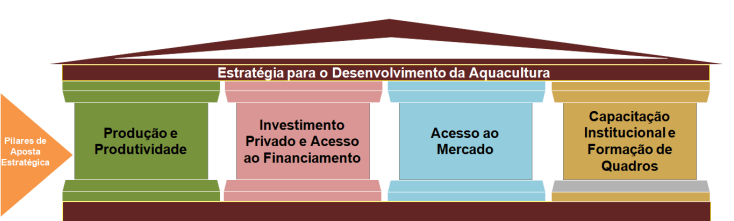
Sector Pesqueiro e de aquacultura

O plano de produção da pesca e de aquacultura para o ano passado foi de 474,576 toneladas, das quais 23,576 toneladas provenientes da pesca industrial e semi-industrial 442,579toneladas da pesca artesanal e 8,421 toneladas da aquacultura.

Fonte: dados Sectoriais MIMAIP

Sector de tecnologia e telecomunicações

O sector de tecnologia e telecomunicações tem recebido atenção especial nos investimentos em Moçambique. A expansão de infra-estruturas de telecomunicações, incluindo redes móveis e acesso à internet, tem contribuído para aumentar a conectividade em todo o país. Além disso, investimentos em tecnologia da informação e comunicação (TIC) têm impulsionado a inovação em diversos sectores, promovendo a eficiência e a competitividade da economia moçambicana.

Comunicações

O volume de prestação de serviços em comunicações e informação teve um desempenho positivo, tendo registado um crescimento de 12%. Este desempenho positivo se reflecte na expansão e modernização da telefonia móvel até aos distritos e do uso de correios e das carteiras móveis.

Fonte: MTC

Perspectivas promissoras para o futuro de Moçambique

Fonte: Banco de Moçambique

Com base nos investimentos em diversos sectores-chave, Moçambique está posicionado para um futuro promissor. A diversificação da economia, impulsionada por investimentos em energia, agricultura, infra-estrutura e tecnologia, está criando oportunidades para o crescimento sustentável e a resiliência económica do país. À medida que esses investimentos continuam a se materializar, espera-se que Moçambique se torne um destino cada vez mais atractivo para investidores e um exemplo de sucesso para o desenvolvimento económica na África.

What should investors look out for in 2024?

Quais devem ser os pontos de atenção para os investidores em 2024?

Mozambique, a country on the rise on the African economic scene, has attracted increasing investment in recent years, boosting its economic growth and the diversification of its sectors. In 2023, the country was recognized as the third most attractive for business activities in Africa, according to Standard Bank’s Africa Trade Barometer. This recognition and continued economic progress raise questions about the main investment points in Mozambique and how these sectors can be exploited.

In this article, we highlight the main investment points in Mozambique and the relevance of different sectors to the country’s economic growth.

Agricultural sector

The agricultural sector is another highlight for investment in Mozambique. The country has vast areas of arable land and a favorable climate for agricultural production, which places it in a privileged position for the development of this sector. Investments in agricultural infrastructure, technology and training have been made to increase productivity and efficiency in the sector. In addition, initiatives such as the promotion of export crops like cashew and cotton have contributed to the diversification of the Mozambican economy and the generation of foreign currency.

As far as food crops are concerned, preliminary data points to a 4% increase in cereal and legume production, with 2,478,907 tons of corn (4%), 256,928 tons of rice (5%) and 474,769 tons of beans (5%) standing out. In tubers, cassava production grew by around 6%, as a result of the intensification measures being carried out, particularly in the south of the country.

Source: PESOE

Energy sector

The energy sector has been one of the main focuses for investment in Mozambique. The country has vast reserves of natural gas and coal, which makes it an attractive destination for companies in the energy sector. Significant investments have been made to explore and develop these resources, aimed not only at generating energy for domestic consumption, but also for export. Projects such as the Temane Thermal Power Plant and the expansion of the liquefied natural gas (LNG) project in Cabo Delgado stand out as examples of the potential of this sector to boost Mozambique’s infrastructure and economic development.

Source: MIREME

Financial sector

The financial sector in Mozambique has undergone significant changes, with investments in technology and innovation to promote financial inclusion and expand banking services to rural areas and remote communities. In addition, the Mozambican capital market is developing, offering investment and financing opportunities for local and foreign companies. The modernization of the financial sector is playing a key role in supporting economic growth and creating an enabling environment for business in Mozambique.

Source: Bank of Mozambique

Hotel and tourism sector

Mozambique has enormous potential in the tourism sector. Investment in tourism infrastructure, such as hotels, resorts and related services, has been a priority to attract international visitors and boost growth in this sector. The promotion of sustainable tourism and the preservation of natural resources are key areas of focus to ensure the long-term growth and sustainability of this vital sector for the Mozambican economy.

In 2023, Mozambique hosted the 9th edition of FIKANI, an event that brought together various exhibitors from the tourism market and opened up space for new investment opportunities and partnerships in the sector. FIKANI is known for being an important meeting point for business leaders, investors and government representatives interested in the potential of Mozambican tourism.

Mining sector

Mozambique has vast mineral reserves, including coal, gold, titanium and natural gas, which have attracted significant investment in the exploration and development of these resources. Mining plays a crucial role in the Mozambican economy, contributing to exports and generating revenue for the government. Projects such as the Moatize coal mine and others have attracted foreign investment and boosted growth in this sector.

Source: MIREME Sectoral Data

Fishing and aquaculture sector

The fishing and aquaculture production plan for last year was 474,576 tons, of which 23,576 tons came from industrial and semi-industrial fishing, 442,579 tons from artisanal fishing and 8,421 tons from aquaculture.

Source: MIMAIP Sectoral data

Technology and telecommunications sector

The technology and telecommunications sector has received special attention in investments in Mozambique. The expansion of telecommunications infrastructure, including mobile networks and internet access, has contributed to increasing connectivity throughout the country. In addition, investments in information and communication technology (ICT) have boosted innovation in various sectors, promoting the efficiency and competitiveness of the Mozambican economy.

Communications

The volume of services provided in communications and information performed well, growing by 12%. This positive performance is reflected in the expansion and modernization of mobile telephony to the districts and the use of post offices and mobile wallets.

Source: MTC

Promising prospects for Mozambique’s future

Source: Bank of Mozambique

Based on investments in several key sectors, Mozambique is positioned for a promising future. The diversification of the economy, driven by investments in energy, agriculture, infrastructure and technology, is creating opportunities for the country’s sustainable growth and economic resilience. As these investments continue to materialize, Mozambique is expected to become an increasingly attractive destination for investors and a successful example for economic development in Africa.

Moçambique deve manter consolidação orçamental para flexibilizar política monetária

Moçambique deve manter consolidação orçamental para flexibilizar política monetária

O Fundo Monetário Internacional (FMI) destacou a importância de Moçambique manter a consolidação orçamental e flexibilizar a política monetária para reduzir as necessidades de endividamento. Em um relatório divulgado recentemente, o FMI enfatizou a continuidade da consolidação orçamental como crucial para reduzir as necessidades de financiamento e controlar as vulnerabilidades da dívida pública.

Com expectativas de inflação bem ancoradas e um crescimento fraco no sector não mineiro, o FMI recomendou a flexibilização da política monetária como uma medida importante. Além disso, o relatório apontou a necessidade contínua de fortalecer as instituições e a governação, a fim de limitar as vulnerabilidades à corrupção e promover o desenvolvimento do sector privado.

No entanto, o FMI reconheceu os desafios enfrentados por Moçambique, incluindo restrições de capacidade e longos processos legislativos. Em resposta a essas questões, o FMI anunciou modificações em alguns critérios de desempenho no âmbito da quarta avaliação do programa de Facilidade de Crédito Alargado (ECF). Essas modificações visam garantir a eficácia do programa diante das restrições existentes no país.

O relatório também destacou a implementação de reformas estruturais em áreas-chave, como governança, gestão da dívida, controle da massa salarial e gestão e supervisão das empresas públicas. Essas reformas são consideradas essenciais para fortalecer a economia de Moçambique e promover um crescimento sustentável.

Recentemente, o FMI aprovou a terceira revisão do programa de financiamento para Moçambique, garantindo um “desembolso imediato” de 60,7 milhões de dólares para apoio orçamental. Com este desembolso, o total de financiamento concedido a Moçambique eleva-se para 273 milhões de dólares, sinalizando o compromisso contínuo do FMI em apoiar o país em seu caminho rumo ao desenvolvimento económico sustentável.

Mozambique must maintain fiscal consolidation to ease monetary policy

Moçambique deve manter consolidação orçamental para flexibilizar política monetária

The International Monetary Fund (IMF) has stressed the importance of Mozambique maintaining fiscal consolidation and easing monetary policy in order to reduce debt requirements. In a recently released report, the IMF emphasized continued fiscal consolidation as crucial to reducing financing needs and controlling public debt vulnerabilities.

With inflation expectations well anchored and weak growth in the non-mining sector, the IMF recommended easing monetary policy as an important measure. In addition, the report pointed to the continued need to strengthen institutions and governance in order to limit vulnerabilities to corruption and promote private sector development.

However, the IMF recognized the challenges faced by Mozambique, including capacity constraints and lengthy legislative processes. In response to these issues, the IMF announced modifications to some performance criteria under the fourth review of the Extended Credit Facility (ECF) program. These modifications are aimed at ensuring the effectiveness of the program in the face of existing restrictions in the country.

The report also highlighted the implementation of structural reforms in key areas such as governance, debt management, wage bill control and the management and supervision of public companies. These reforms are considered essential to strengthen Mozambique’s economy and promote sustainable growth.

Recently, the IMF approved the third review of the financing program for Mozambique, guaranteeing an “immediate disbursement” of 60.7 million dollars for budget support. With this disbursement, the total financing granted to Mozambique amounts to 273 million dollars, signaling the IMF’s continued commitment to supporting the country on its path towards sustainable economic development.